
Introduction
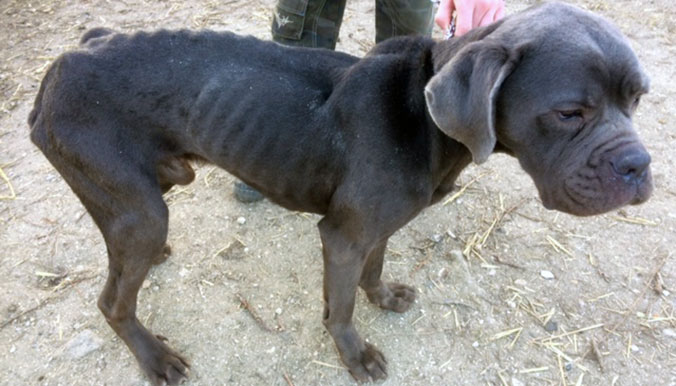
As a responsible dog owner, it is natural to be concerned if your beloved Cane Corso appears to be skinny or underweight. While the breed is known for its impressive size and muscular build, some individual dogs may appear thinner than others due to various reasons. In this blog post, we will explore the potential causes of a skinny Cane Corso and offer practical solutions to address this issue, ensuring the well-being and health of your canine companion.
- Genetics and Body Structure
One of the primary reasons why a Cane Corso might appear skinny is simply due to their genetics and body structure. Like humans, dogs come in various shapes and sizes, and individual dogs within the same breed can display different body compositions. Some Cane Corsos may naturally have a leaner build, even when they are in good health. It is essential to differentiate between being underweight and simply having a naturally slimmer physique. You may also like to read about how to put weight on Cane Corso Puppy And Adult.
Solution: Regular Check-ups
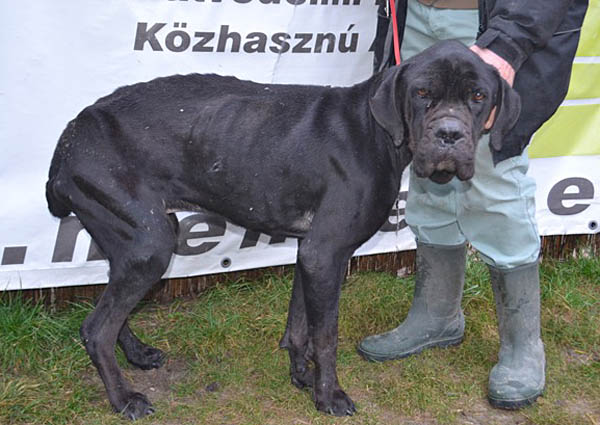
If you are unsure whether your Cane Corso‘s body weight is healthy for its individual build, consult with your veterinarian. Regular check-ups will help your vet monitor your dog’s overall health and ensure that any potential health issues are addressed promptly.
- Inadequate Diet
Diet plays a critical role in maintaining a dog’s health and weight. If your Cane Corso is not receiving the necessary nutrients or is not consuming enough food, it may result in weight loss and a skinny appearance. Underfeeding, poor-quality food, or sudden changes in diet can all contribute to a dog’s weight loss.
Solution: Proper Nutrition
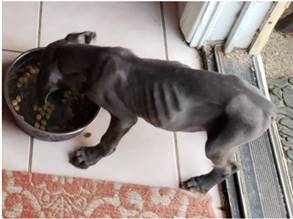
Ensure that your Cane Corso is on a balanced and nutritious diet appropriate for its age, size, and activity level. High-quality dog food with essential proteins, fats, vitamins, and minerals is essential for maintaining optimal body condition. If in doubt, consult with your veterinarian or a professional dog nutritionist to tailor a diet plan suited to your dog’s specific needs.
- Health Issues
Several health conditions can lead to weight loss in Cane Corsos. These may include gastrointestinal problems, parasites (such as worms), dental issues, thyroid imbalances, or other underlying medical concerns. If your dog’s weight loss is sudden or accompanied by other concerning symptoms like lethargy, vomiting, or diarrhea, it is crucial to seek veterinary attention immediately.
Solution: Veterinary Consultation
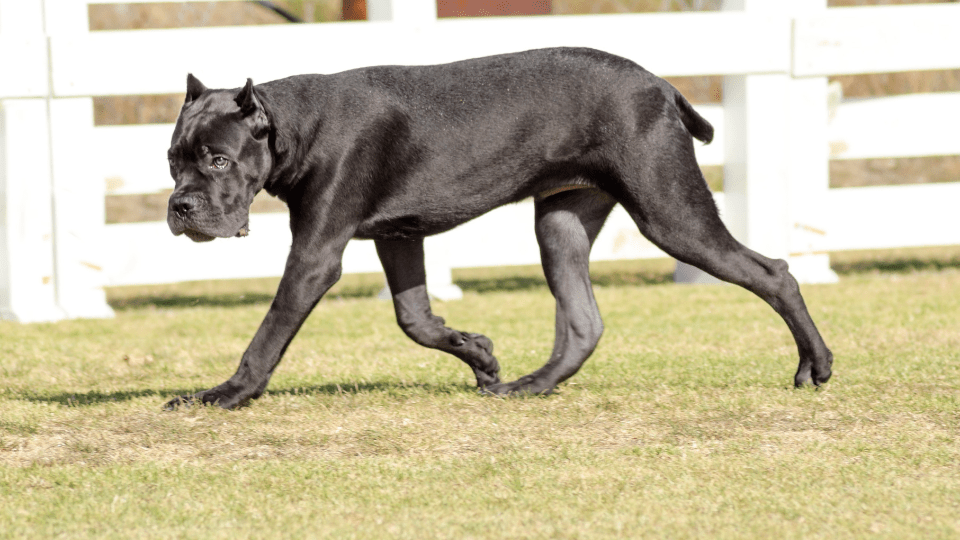
A thorough examination by a veterinarian is necessary to identify any potential health issues. Timely diagnosis and treatment can often resolve the underlying problem and help your Cane Corso return to a healthier weight.
- Stress and Anxiety
Like humans, dogs can experience stress and anxiety, leading to a decreased appetite and subsequent weight loss. Major life changes, changes in the household, or traumatic experiences can trigger anxiety in Cane Corsos.
Solution: Create a Calming Environment
Ensure that your home environment is conducive to your dog’s well-being. Providing a consistent routine, regular exercise, and mental stimulation can help alleviate stress and anxiety. If the issue persists, consider consulting a professional dog behaviorist to address your dog’s emotional needs.
Conclusion
While a skinny appearance in a Cane Corso can be a cause for concern, it is essential to approach the issue with a thorough understanding of potential causes and solutions. Genetics, diet, health, and emotional well-being all play crucial roles in your dog’s weight and overall condition. Regular veterinary check-ups, a balanced diet, and a loving environment are key to keeping your Cane Corso healthy, happy, and thriving.
Remember, each dog is unique, and some may naturally have a leaner physique. However, if you ever feel unsure about your Cane Corso’s health or weight, never hesitate to seek professional advice from your veterinarian. By being attentive and proactive, you can ensure that your canine companion leads a long, healthy, and joyful life.
 Canine family blog