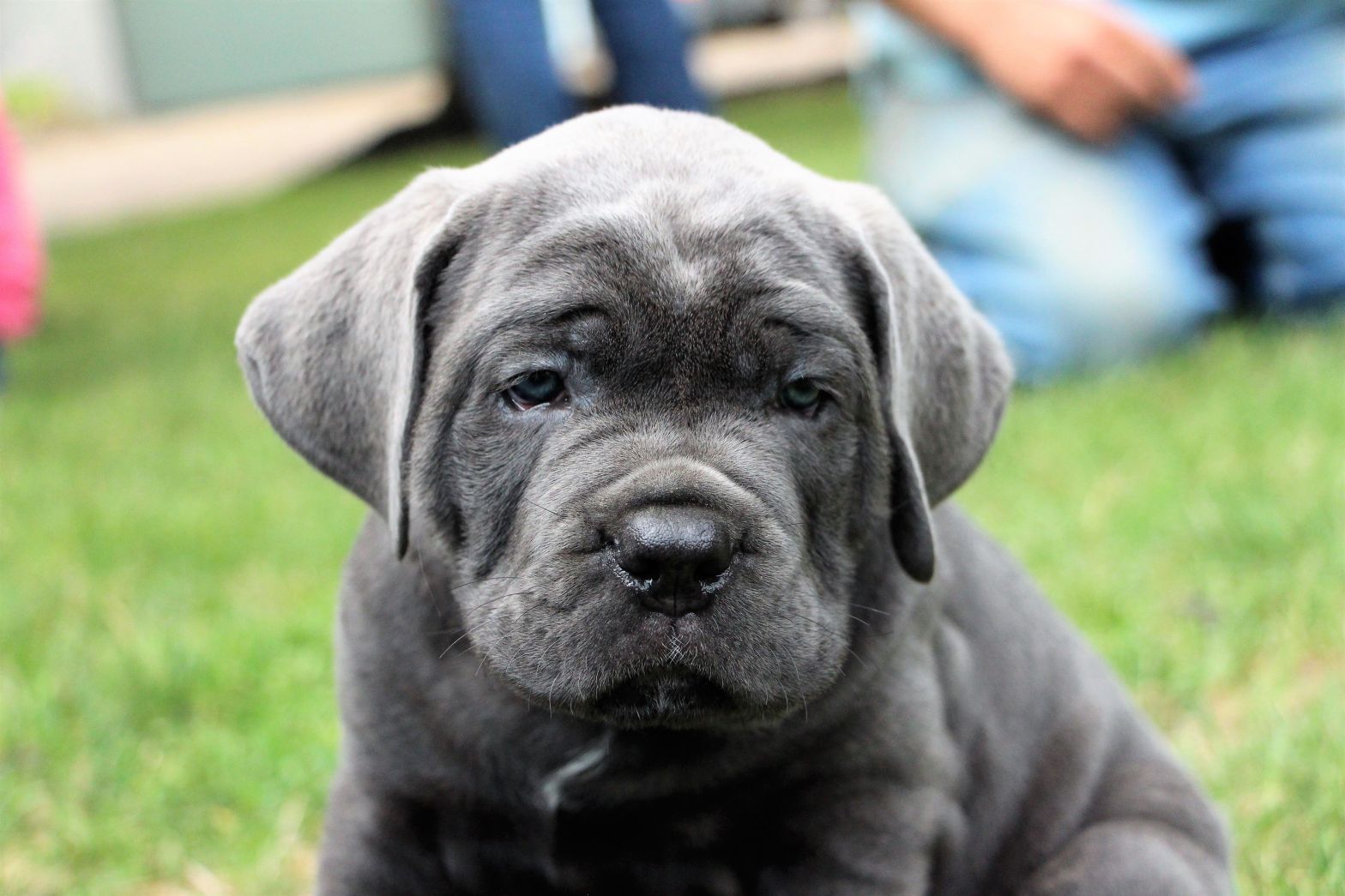
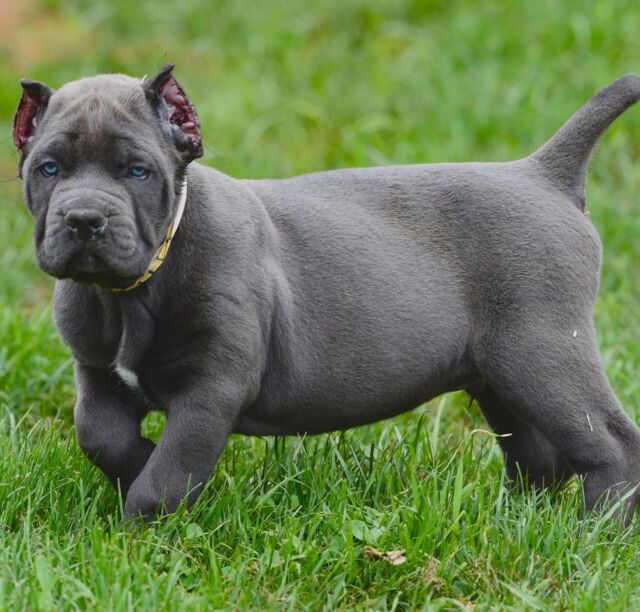
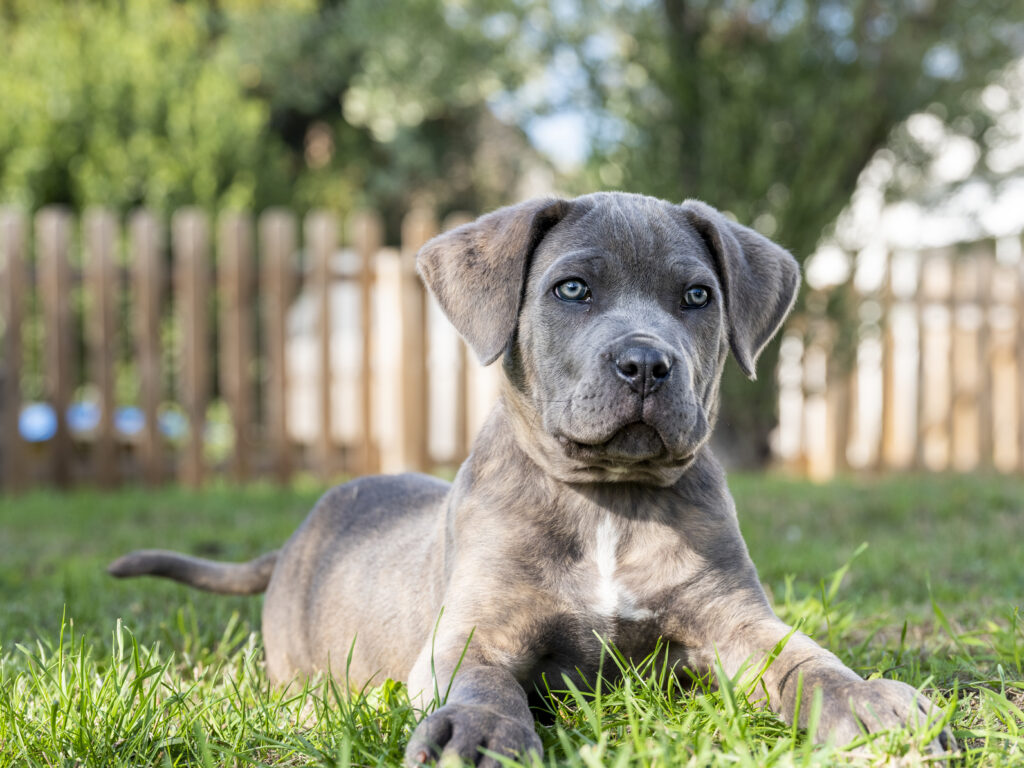
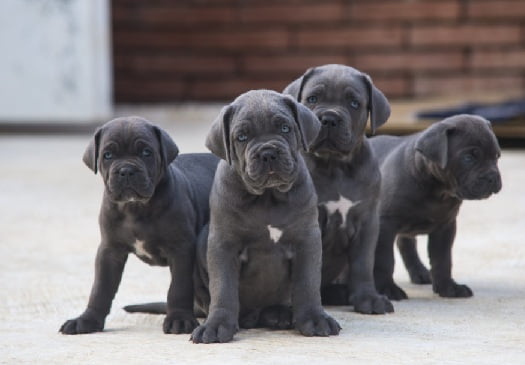
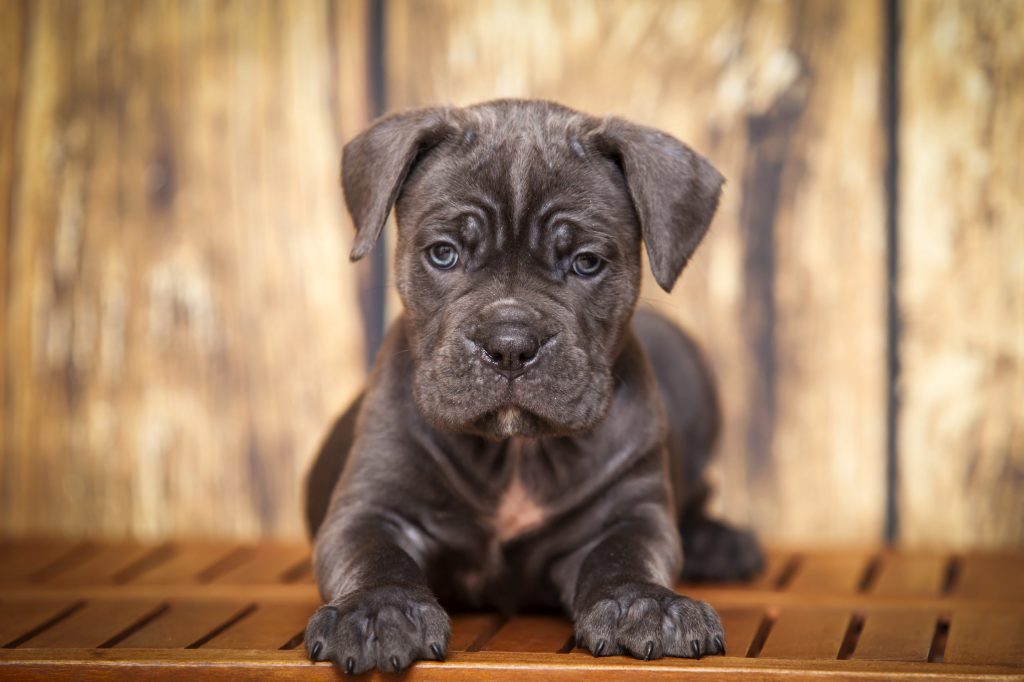
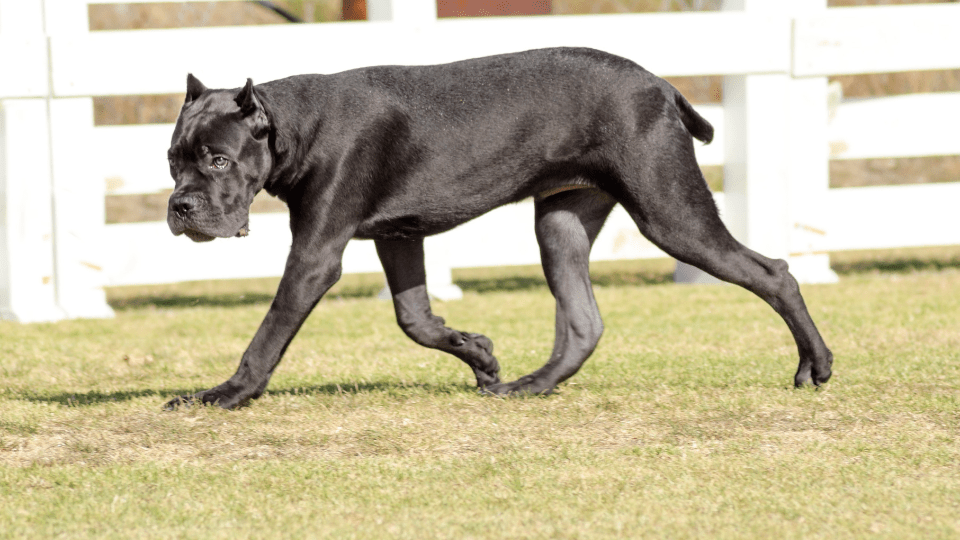
Congratulations on bringing home your new Cane Corso puppy! These majestic and powerful dogs are known for their loyalty, intelligence, and protective nature. However, raising a Cane Corso comes with its own set of responsibilities. To ensure your new furry companion grows up to be a well-adjusted and happy adult, there are some essential steps you should take after bringing your Cane Corso puppy home. In this blog post, we’ll explore the key things you should do to provide the best possible start for your new four-legged friend.
Choosing Name
Choosing the perfect name for your Cane Corso puppy can be a fun and exciting process. It’s an opportunity to give your new furry friend a name that reflects their personality, characteristics, or even your own interests. Here are some tips to help you choose the best name for your Cane Corso
**1. ** Create a Safe and Comfortable Space
As soon as your Cane Corso puppy enters your home, it’s crucial to create a safe and comfortable space exclusively for them. Set up a designated area with a cozy bed, some toys, and water. Providing a separate space not only helps with housebreaking but also gives your puppy a sense of security during the initial transition.
**2. ** Veterinary Care
One of the first things you should do is schedule a visit to the veterinarian. Your puppy will need vaccinations, deworming, and a thorough health check-up. Regular veterinary visits are essential to monitor your puppy’s growth and address any health concerns promptly.
**3. ** Socialization
Early socialization is vital for Cane Corso puppies to ensure they grow up to be well-mannered and well-adjusted dogs. Introduce your puppy to various people, other dogs (make sure they are well-vaccinated and friendly), and different environments. Controlled exposure to new experiences will build your puppy’s confidence and reduce the likelihood of developing behavioral issues later on.
**4. ** Training and Obedience
Start basic training and obedience from day one. Cane Corsos are intelligent dogs that respond well to positive reinforcement training methods. Teach them commands like sit, stay, come, and leash walking. Consistency and patience are key, as puppies need time to learn and adapt to your expectations.
**5. ** Exercise and Playtime
Cane Corsos are active and energetic dogs, and regular exercise is essential to keep them physically and mentally stimulated. Daily walks, playtime, and interactive toys will prevent boredom and help forge a stronger bond between you and your puppy.
**6. ** Healthy Diet
Consult your veterinarian to determine the most suitable diet for your Cane Corso puppy. Proper nutrition is crucial during their growth stages. Feed them a high quality balanced diet that meets their nutritional requirements.
**7. ** Grooming Routine
Establish a grooming routine early on to get your puppy accustomed to being handled. Regular brushing, nail trimming, and teeth cleaning are essential for their overall health and hygiene.
**8. ** Chewing and Teething
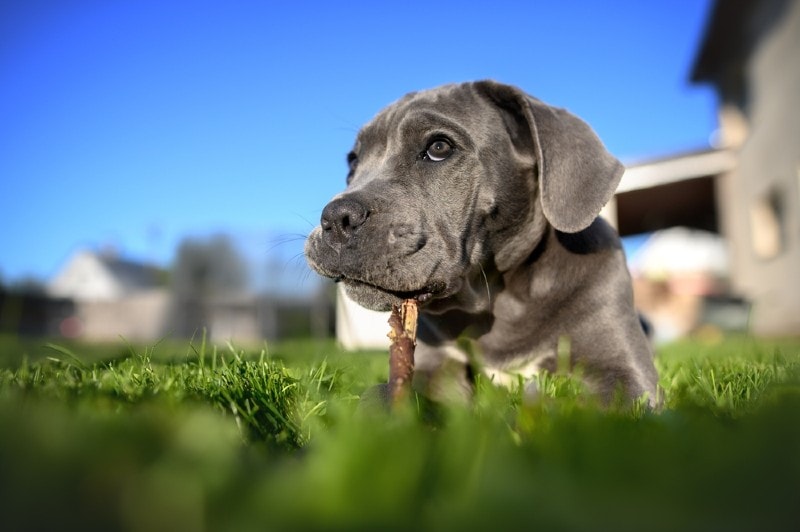
Cane Corso puppies, like all puppies, will go through a teething phase. Provide appropriate chew toys to satisfy their natural urge to chew and prevent them from gnawing on inappropriate items.
**9. ** Establish Boundaries
Set clear boundaries for your puppy to follow. Use positive reinforcement to reward good behavior and discourage any undesirable habits.
**10. ** Patience and Love
Finally, remember that raising a Cane Corso puppy requires patience, love, and understanding. Building a strong bond with your puppy is essential for their emotional well-being and development.
Conclusion
Bringing a Cane Corso puppy into your home is an exciting and rewarding experience. By following these essential steps, you’ll ensure your puppy has a smooth transition into their new environment and grows up to be a well-behaved and happy companion. With love, proper care, and training, your Cane Corso will undoubtedly become an integral part of your family for years to come. Enjoy this precious time and the countless memories you’ll create together!
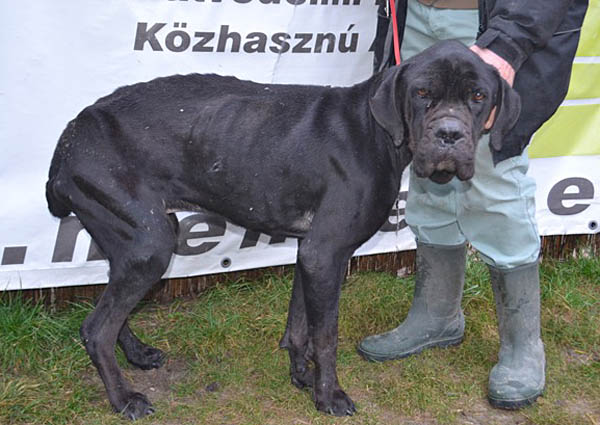
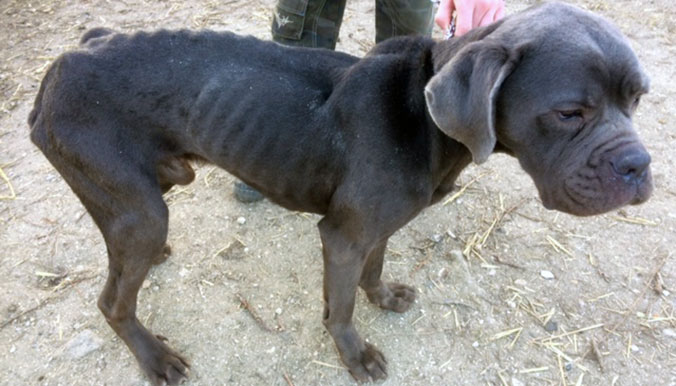
As a responsible dog owner, it is natural to be concerned if your beloved Cane Corso appears to be skinny or underweight. While the breed is known for its impressive size and muscular build, some individual dogs may appear thinner than others due to various reasons. In this blog post, we will explore the potential causes of a skinny Cane Corso and offer practical solutions to address this issue, ensuring the well-being and health of your canine companion.
Genetics and Body Structure
One of the primary reasons why a Cane Corso might appear skinny is simply due to their genetics and body structure. Like humans, dogs come in various shapes and sizes, and individual dogs within the same breed can display different body compositions. Some Cane Corsos may naturally have a leaner build, even when they are in good health. It is essential to differentiate between being underweight and simply having a naturally slimmer physique. You may also like to read about how to put weight on Cane Corso Puppy And Adult.
Solution: Regular Check-ups
If you are unsure whether your Cane Corso‘s body weight is healthy for its individual build, consult with your veterinarian. Regular check-ups will help your vet monitor your dog’s overall health and ensure that any potential health issues are addressed promptly.
Inadequate Diet
Diet plays a critical role in maintaining a dog’s health and weight. If your Cane Corso is not receiving the necessary nutrients or is not consuming enough food, it may result in weight loss and a skinny appearance. Underfeeding, poor-quality food, or sudden changes in diet can all contribute to a dog’s weight loss.
Solution: Proper Nutrition
Ensure that your Cane Corso is on a balanced and nutritious diet appropriate for its age, size, and activity level. High-quality dog food with essential proteins, fats, vitamins, and minerals is essential for maintaining optimal body condition. If in doubt, consult with your veterinarian or a professional dog nutritionist to tailor a diet plan suited to your dog’s specific needs.
Health Issues
Several health conditions can lead to weight loss in Cane Corsos. These may include gastrointestinal problems, parasites (such as worms), dental issues, thyroid imbalances, or other underlying medical concerns. If your dog’s weight loss is sudden or accompanied by other concerning symptoms like lethargy, vomiting, or diarrhea, it is crucial to seek veterinary attention immediately.
Solution: Veterinary Consultation
A thorough examination by a veterinarian is necessary to identify any potential health issues. Timely diagnosis and treatment can often resolve the underlying problem and help your Cane Corso return to a healthier weight.
Stress and Anxiety
Like humans, dogs can experience stress and anxiety, leading to a decreased appetite and subsequent weight loss. Major life changes, changes in the household, or traumatic experiences can trigger anxiety in Cane Corsos.
Solution: Create a Calming Environment
Ensure that your home environment is conducive to your dog’s well-being. Providing a consistent routine, regular exercise, and mental stimulation can help alleviate stress and anxiety. If the issue persists, consider consulting a professional dog behaviorist to address your dog’s emotional needs.
Conclusion
While a skinny appearance in a Cane Corso can be a cause for concern, it is essential to approach the issue with a thorough understanding of potential causes and solutions. Genetics, diet, health, and emotional well-being all play crucial roles in your dog’s weight and overall condition. Regular veterinary check-ups, a balanced diet, and a loving environment are key to keeping your Cane Corso healthy, happy, and thriving.
Remember, each dog is unique, and some may naturally have a leaner physique. However, if you ever feel unsure about your Cane Corso’s health or weight, never hesitate to seek professional advice from your veterinarian. By being attentive and proactive, you can ensure that your canine companion leads a long, healthy, and joyful life.
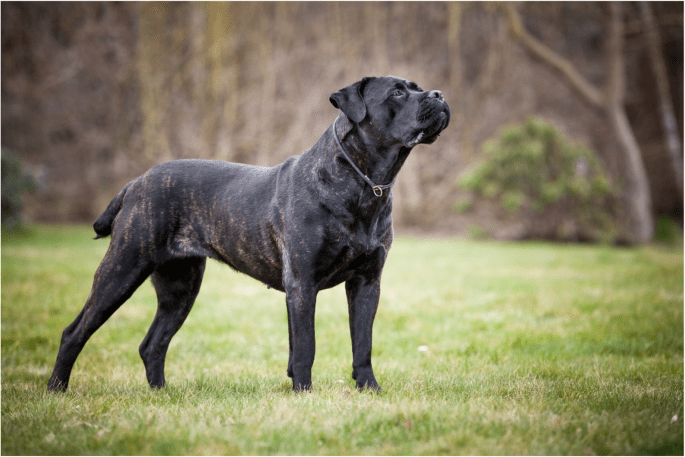
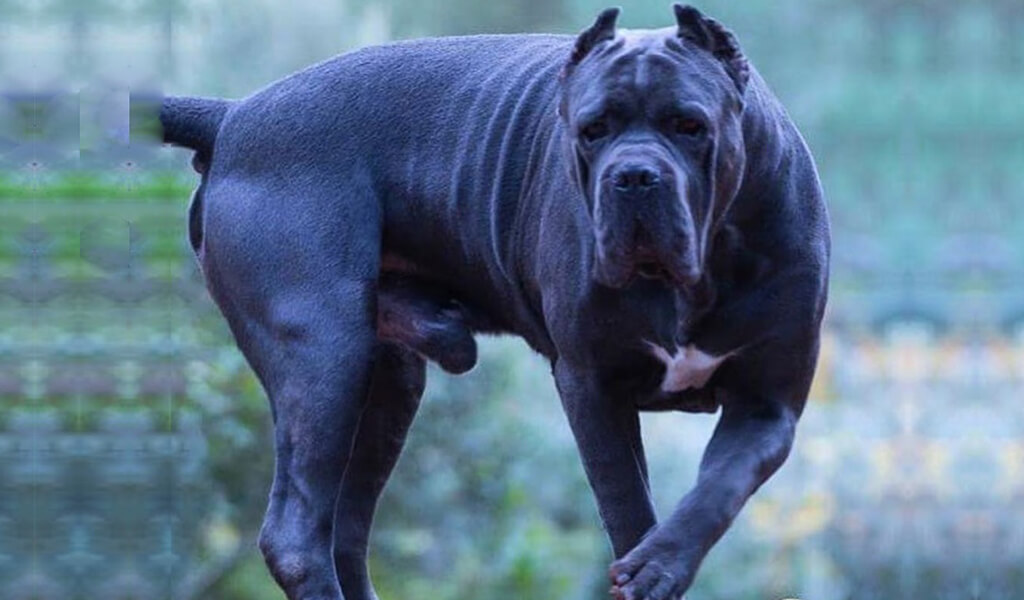
When it comes to the world of dog breeds, there’s a vast array of choices for every dog lover. Among these remarkable breeds stands the Brindle Cane Corso, a majestic and powerful canine companion with a striking coat pattern. With a rich history and remarkable qualities, this breed has captivated the hearts of many dog enthusiasts. In this blog post, we will explore the fascinating world of the Brindle Cane Corso, delving into its history, appearance, temperament, and what it takes to provide this magnificent breed with a loving home.
The History of the Cane Corso
The Cane Corso, an ancient Italian breed, can trace its roots back to the Roman era. They were originally bred as working dogs, entrusted with various tasks such as guarding properties, hunting, and even serving in war. Their impressive physical strength, intelligence, and loyalty made them invaluable companions. Over the years, their numbers dwindled, but thanks to dedicated breed enthusiasts, the Cane Corso made a triumphant comeback in the 20th century.
The Brindle Coat: A Work of Art
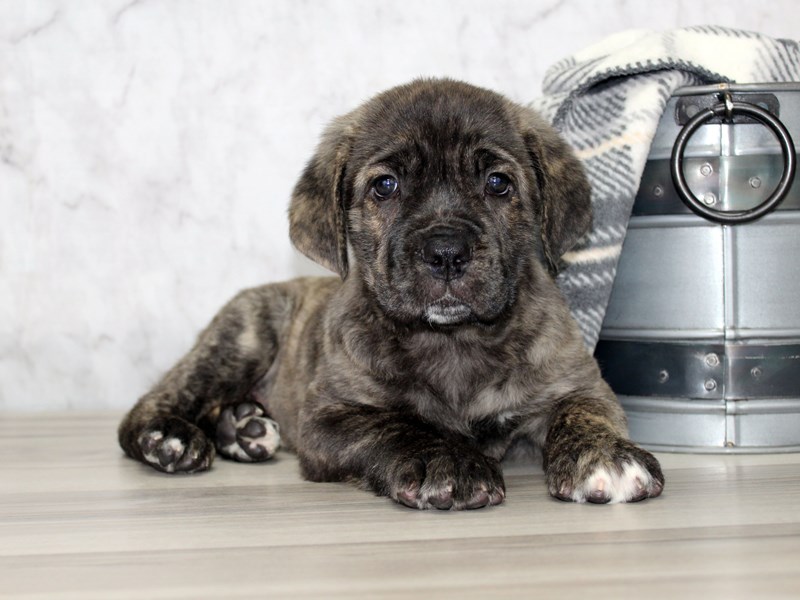
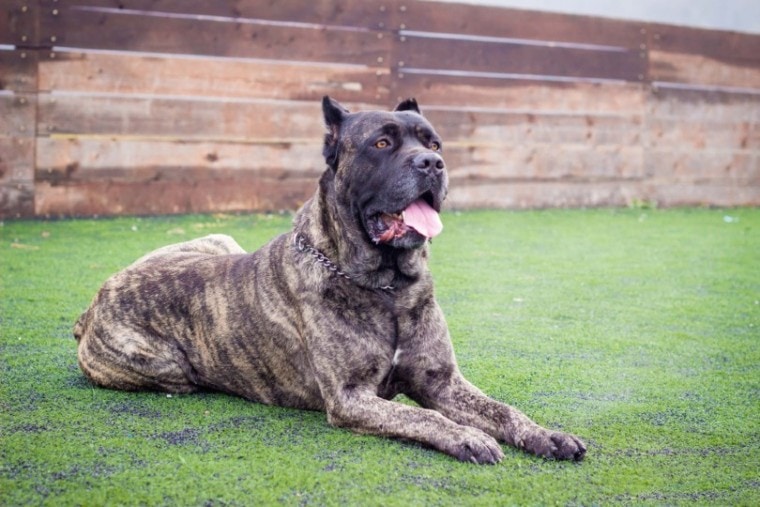
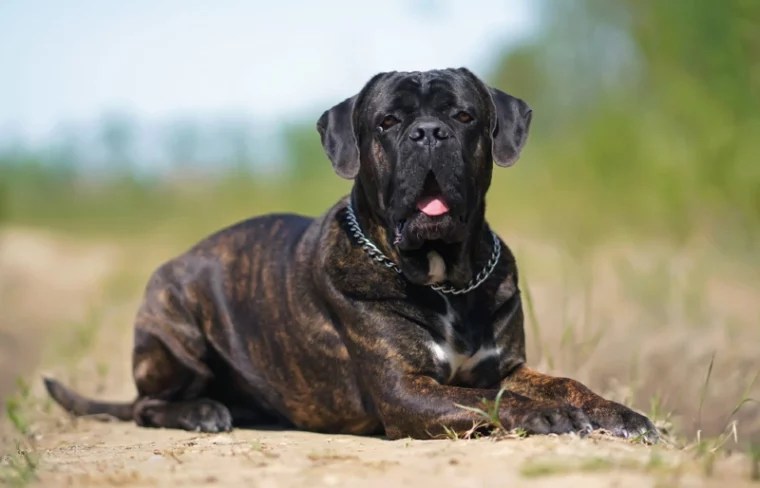
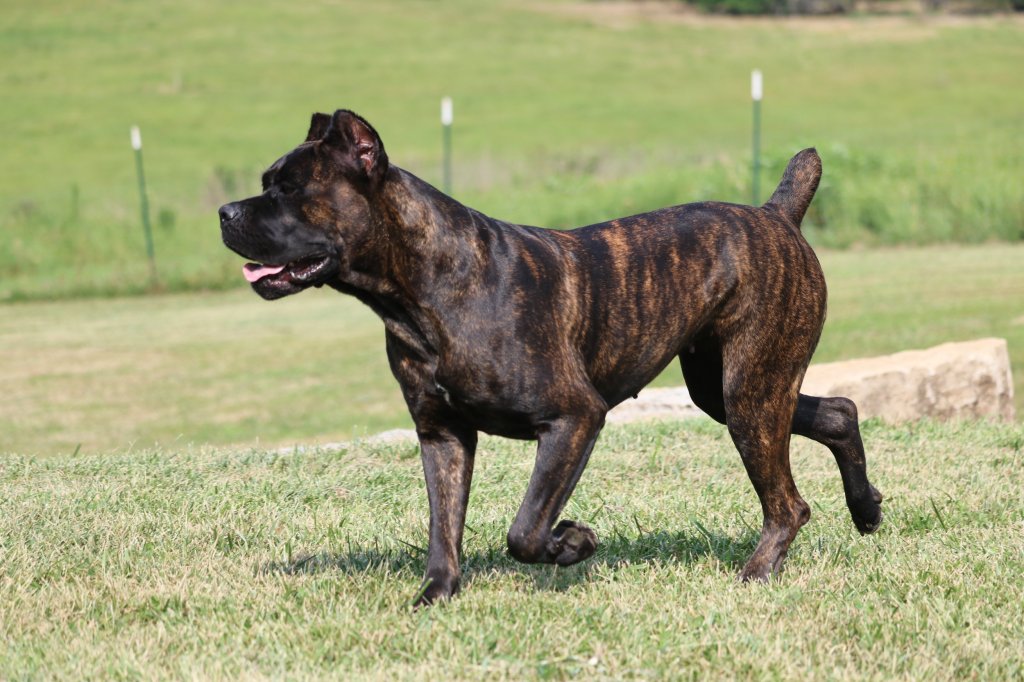
What sets the Brindle Cane Corso apart is its breathtaking coat pattern. Brindle refers to the unique tiger-stripe pattern found in the dog’s fur. This beautiful coat features a base color, often fawn or black, with darker stripes creating an eye-catching display of colors. Each Brindle Cane Corso has a distinct pattern, making them truly one-of-a-kind. Read here more about 12 Different colors of cane corso dog.
Temperament and Personality
Beyond their stunning appearance, Brindle Cane Corsos are known for their exceptional temperament. Intelligent, confident, and devoted, they make incredible family dogs. Their loyalty knows no bounds, and they will eagerly protect their loved ones. However, early socialization and training are crucial to ensure they grow into well-mannered and well-adjusted adults.
Despite their imposing size, Brindle Cane Corsos are affectionate and gentle with their families, forming strong bonds with both children and adults alike. With proper training, they can coexist harmoniously with other pets in the household.
Caring for a Brindle Cane Corso
Caring for a Brindle Cane Corso requires commitment, as they thrive on human interaction and require regular exercise to maintain their physical and mental well-being. Long walks, playtime, and engaging activities are essential to keep them happy and prevent behavioral issues. You may also like to discover the art of naming your powerful companion is just the beginning – unlock a treasure trove of fascinating tales and expert tips on Cane Corso names that will leave you captivated and eager for more!
Grooming a Brindle Cane Corso is relatively straightforward, as their short coat requires minimal maintenance. Regular brushing and occasional baths are sufficient to keep their coat healthy and shiny. Additionally, routine dental care and nail trimming are necessary to maintain their overall health.
Health Considerations
Like all dog breeds, the Brindle Cane Corso is susceptible to certain health conditions. Hip dysplasia, heart issues, and eye problems are some of the potential health concerns. Responsible breeders perform health screenings to reduce the risk of passing on genetic conditions to the offspring.
Regular veterinary check-ups and a balanced diet are vital to ensure the well-being of these magnificent dogs.
Conclusion
The Brindle Cane Corso is an impressive combination of beauty, strength, and loyalty. With its stunning coat pattern, noble history, and loving temperament, it’s no wonder this breed has captured the hearts of so many dog lovers worldwide. If you’re considering welcoming a Brindle Cane Corso into your home, be prepared for a loyal and devoted companion who will undoubtedly leave a lasting paw print on your heart. Remember, responsible ownership and proper care are essential to ensure this majestic breed thrives and enjoys a fulfilling life with you and your family.
Pitbulls have long been known for their loyalty, strength, and affectionate nature. As mixed breed dogs continue to gain popularity, Pitbull mixes have become a sought-after choice for many dog enthusiasts. These delightful crossbreeds combine the best qualities of Pitbulls with other breeds, resulting in unique and lovable companions. In this blog post, we will explore the top five Pitbull mix dogs that have captured the hearts of dog lovers worldwide.
Labrabull (Pitbull and Labrador Retriever mix):
The Labrabull is an incredible blend of two exceptional breeds—the Pitbull and the Labrador Retriever. Known for their intelligence, loyalty, and friendly nature, Labrabulls make fantastic family pets. They inherit the Pitbull’s strength and the Labrador’s playfulness, creating a well-rounded companion. With proper training and socialization, these dogs excel in various activities, including obedience training, agility, and search and rescue. You may also like to read about Cane Corso Pitbull Mix.
Bullypit (Pitbull and American Bulldog mix):
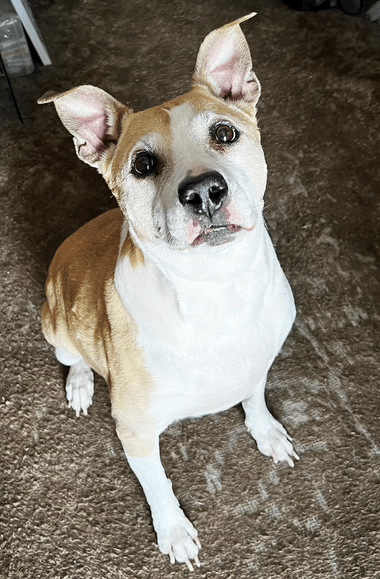
Combining the powerful presence of the American Bulldog with the strength and tenacity of a Pitbull, the Bullypit is an imposing yet affectionate breed. With their muscular build and protective instincts, they make excellent guard dogs. However, beneath their tough exterior lies a loving and loyal companion. Early socialization and consistent training are essential to help them channel their energy and be well-behaved members of the family.
Pitsky (Pitbull and Siberian Husky mix):
The Pitsky is a captivating crossbreed that combines the elegance and striking blue eyes of a Siberian Husky with the strength and athleticism of a Pitbull. These dogs are known for their high energy levels and require an active lifestyle. Pitskies thrive with plenty of mental and physical stimulation, making them great companions for active individuals or families who enjoy outdoor activities. Their intelligence and playful nature make them quick learners, although they may possess an independent streak.
Boxerbull (Pitbull and Boxer mix):
The Boxerbull is a delightful combination of two beloved breeds—the Boxer and the Pitbull. These dogs inherit the Boxer’s playful and exuberant personality while embodying the strength and protective nature of a Pitbull. Boxerbulls are known for their friendly and sociable demeanor, making them excellent companions for families. They have a natural instinct to protect their loved ones and are often great with children. Regular exercise and mental stimulation are essential for their well-being.
Bullmastiff Pitbull mix:
The Bullmastiff Pitbull mix is a blend of the gentle and calm Bullmastiff with the strength and athleticism of a Pitbull. These dogs are known for their loyalty, protective nature, and affectionate demeanor. Bullmastiff Pitbull mixes make excellent family companions and are especially good with children. They require early socialization and consistent training to ensure they grow into well-mannered and balanced dogs. With the right guidance, they can be gentle giants who provide love and protection to their families.
Conclusion:
Pitbull mixes offer a wonderful combination of characteristics that appeal to dog enthusiasts seeking loyal, intelligent, and affectionate companions. Whether you’re looking for a family pet, a guard dog, or an active outdoor companion, the Labrabull, Bullypit, Pitsky, Boxerbull, and Bullmastiff Pitbull mix are among the top choices to consider. Remember, responsible ownership, including proper training, socialization, and a loving environment, is key to nurturing the best qualities of these remarkable crossbreeds. With the right care and attention, these Pitbull mixes will reward you with endless love, loyalty, and companionship.
When it comes to the world of dog breeds, there are some names that roll off the tongue effortlessly, like Labrador Retriever or German Shepherd. However, there are a few hidden gems in the canine world with names that might leave you scratching your head. In this blog post, we’ll introduce you to five unique dog breeds that not only have intriguing characteristics but also boast names that are notoriously hard to pronounce. Let’s dive in and discover these delightful yet challenging dog breeds!
SONY DSC
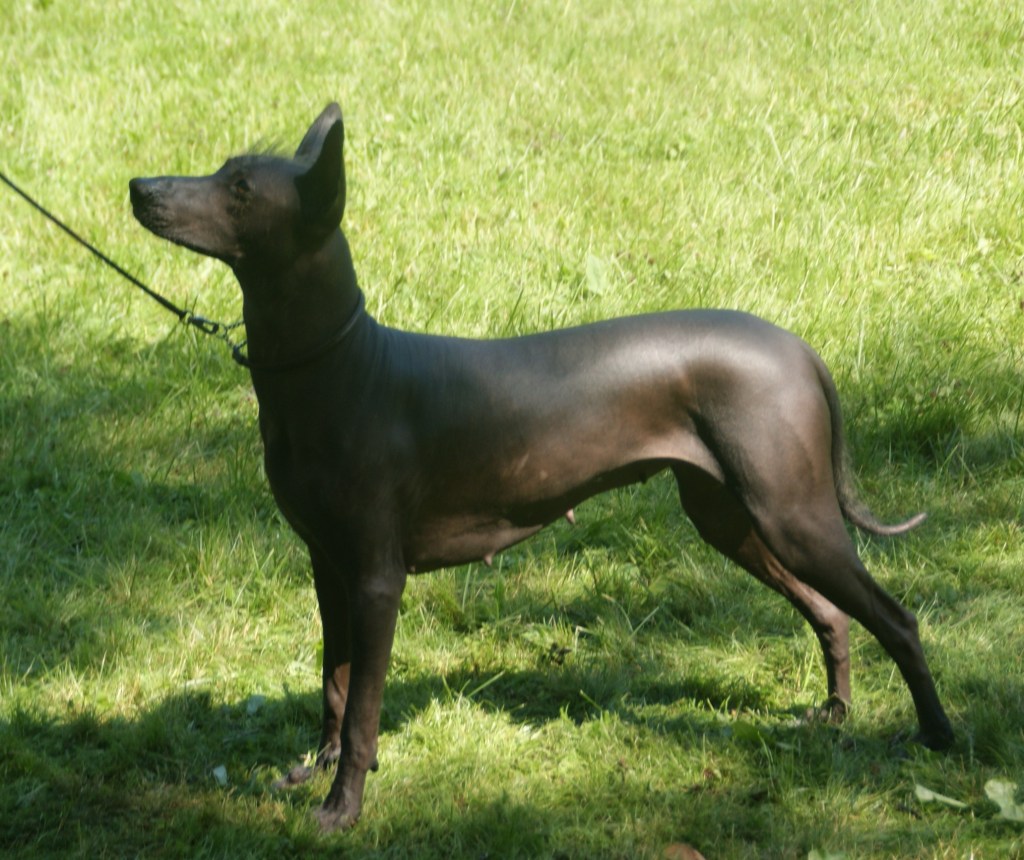
Xoloitzcuintli (show-loh-eets-kweent-lee): Often referred to as the “Mexican Hairless Dog,” the Xoloitzcuintli is an ancient breed that dates back thousands of years. This elegant and noble dog is known for its lack of hair, save for some tufts on its head and tail. Pronouncing its name might seem daunting, but it’s worth mastering for this breed’s rich history and unique appearance.
Pharaoh Hound (fay-roh hound): Originating from Malta, the Pharaoh Hound is a regal and graceful breed that exudes an air of mystery. Known for its sleek, reddish coat and expressive amber eyes, this dog is often associated with ancient Egypt. Despite its simple-sounding name, the combination of “Pharaoh” and “Hound” can be a challenge for the uninitiated. Learn more about the cane corso pronunciation.
Keeshond (kayz-hawnd): With its beautiful, plush coat and fox-like face, the Keeshond is a delightful companion that hails from the Netherlands. Renowned for its friendly and affectionate nature, this breed makes an excellent family pet. However, pronouncing its name might require a few tries before you get it just right.
Bouvier des Flandres (boo-vee-ay day flahn-dr): Originating from Belgium, the Bouvier des Flandres is a sturdy and versatile working dog. With its thick, double coat and powerful build, this breed was traditionally used for herding cattle and pulling carts. The name, a combination of “Bouvier” (meaning cattle herder) and “Flandres” (referring to the region in Belgium), can be quite a mouthful, but this breed’s loyalty and intelligence make it worth the effort.
Weimaraner (vy-mah-rah-ner): Known for its striking silver-gray coat and piercing blue or amber eyes, the Weimaraner is a versatile and energetic breed from Germany. Originally bred for hunting large game, this dog has an athletic build and a boundless zest for life. Pronouncing “Weimaraner” correctly might take a few tries, but once you’ve got it down, you’ll appreciate the elegance and beauty of this remarkable breed.
Conclusion: Exploring the world of dog breeds can be an exciting and rewarding journey, and sometimes it leads us to dogs with names that challenge our linguistic abilities. The Xoloitzcuintli, Pharaoh Hound, Keeshond, Bouvier des Flandres, and Weimaraner are just a few examples of breeds that not only captivate us with their distinctive characteristics but also challenge us with their hard-to-pronounce names.
Next time you come across one of these breeds or any other with a tricky name, remember that practice makes perfect. Learning to pronounce these names correctly is a fun way to deepen your appreciation for these unique canine companions. So, embrace the challenge, expand your vocabulary, and embark on a linguistic adventure with these fascinating dog breeds!
There are many things to consider before adopting a giant breed dog. Some breeds can weigh over 100 pounds, and they all require plenty of space to run and exercise. They also have very specific dietary needs and require regular grooming.
If you have the space and the time to commit to a giant breed dog, then they can make wonderful, loyal family pets. But be sure to do your research before making the decision to adopt one.
Conclusion: Overall, giant breed dogs are a wonderful addition to any family when the responsibilities of owning one are taken into account. They make loyal and loving companions, and with the proper care can provide years of love and happiness. However, they’re not right for everyone, so be sure to do your research before bringing one home! Have you ever owned or interacted with a giant breed dog? If so, what was your experience like? Let us know in the comments below.
Crossbreeds are in trends right now and Crossbred dogs can learn to be disciplined as easily as purebred alternatives. They can also adopt the personality of their parents, and won’t be timid when socialized around others. If you want a dog who is loyal, loving, and protective? If so, the Pitbull Cane Corso mix may be for you. This breed has some of the best qualities of both breeds that make it an excellent choice for families with children or those looking for a guard dog.
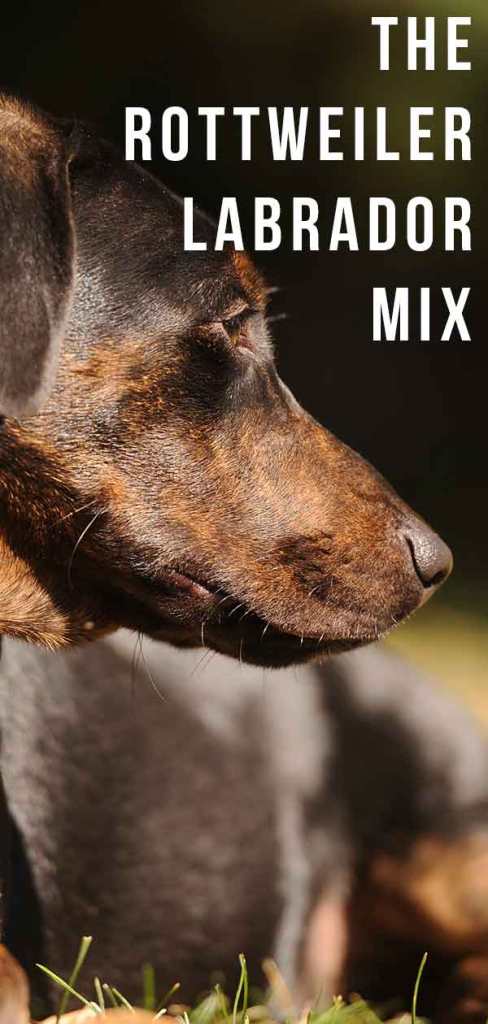
Is it true that you are edgy to add a Rottweiler Lab Mix to your family? At that point, this is the article for you!
Bringing another pooch into your life is a major choice, and there is a ton to think about when choosing which breed is going to suit you and your way of life best.
The Rottweiler Lab Mix is a combination of the savvy and well disposed Labrador Retriever and the dedicated and dynamic Rottweiler. You can also check here to see German Shepherd Rottweiler mix
Since the Labrador Retriever Rottweiler blend is a crossbreed, there is a touch of contention with respect to his reality and the presence of different crossbreeds or half breed mutts like him.
We should realize why.
Understanding the Basics of the Crossbreed Controversy
Crossbreeding mutts to make crossovers like the Rottweiler and Labrador cross is a training that has been continuous for a considerable length of time, yet that doesn’t mean it hasn’t raised a few eyebrows.
First off, numerous raisers are currently selling crossbreed hounds for as much as thoroughbreds, and a few people locate this out of line.
All things considered, a crossbreed is actually the same than a mutt, isn’t that so?
As a matter of fact, the individuals who bolster crossbreeding will reveal to you that while a mutt is the “incidental” posterity of two arbitrary breeds.
A crossbreed, then again, is the explicitly reared posterity of two intentionally picked thoroughbred canines, blended with expectations of joining certain characteristics.
An issue of well being
Presently we should discuss what many consider to be the most significant part of this discussion—wellbeing.
The same number of us know, thoroughbred mutts are inalienably progressively inclined to enduring hereditary medical problems because of ages of over breeding in progressively diminishing genetic stocks.
Supporters of crossbreeding guarantee that the training might be an answer for the thoroughbred well being problem by augmenting the genetic stock.
This thusly lessens the odds of hereditary medical problems being passed on to litters.
Nonetheless, others demand this is theory, and that thoroughbred pooches and crossbreed mutts are similarly powerless to acquiring certain hereditary issues from their parent breeds.
To study normal issues with crossbreeding click here.
Something else, continue perusing to discover how the Rottweiler Lab blend became!
History of the Rottweiler Lab Mix
Considered by most to be an original crossbreed, the Rottweiler Lab Mix has a starting point that is still really taking shape.
So how would we get some answers concerning his history?
Why, we investigate the accounts of his thoroughbred guardians, obviously! How about we start with the Rottweiler.
Birthplace of the Rottweiler
Nicknamed the “Rottie” by Rottweiler aficionado, the Rottweiler is an antiquated breed with roots dating as far back as the Roman Empire.
The possible relative of antiquated drover hounds, the Rottweiler is accepted to have gained his name from a Roman town known as Rottweil.
Here the breed was broadly utilized as a gatekeeper canine and grouping breed.
So faithful and defensive was the Rottweiler that numerous proprietors confided in him to make a trip forward and backward to advertise in the Middle Ages with little sacks of cash tied around his solid neck.
As time passed, the Rottweiler deserted his crowding days him and proceeded to turn into a prominent war hound.
The Rottie assumed various jobs during World War I and World War II is as yet perceived today for his valiant administrations.
Today, the Rottweiler still works in the military, and he additionally makes a mainstream police hound.
Positioning in at number 8 out of 194 on the American Kennel Club’s, (AKC), rundown of America’s most mainstream canine breeds, the Rottie keeps on catching hearts all over the place.
Presently we should find out about the Labrador!
Origin of the Labrador Retriever
A Canadian breed, the Labrador really hails from Newfoundland, not Labrador, as his name would recommend.
The breed, which is accepted to have existed since before the 1500’s, was once utilized as an angler’s partner and chasing hound.
A perfect pontoon hound, the Lab made for a capable swimmer.
He was worked for the chilly Canadian waters on account of his thick, water-safe coat, special “otter’s tail” that impelled him and his amazingly webbed paws.
The Labrador was maybe most adored for his capacity to tenderly recover fish and duck in the water without harming the game.
He bit down hard enough to hold it however tenderly enough not to infiltrate.
It wasn’t some time before the Labrador’s hard working attitude, inconceivable smarts, and delicate nature made him a most loved among anglers and trackers as well as among breed lovers.
English reproducers turned out to be particularly enamored with the breed and started refining it up through the nineteenth century.
Sitting at number 1 out of 194 on the AKC’s rundown of America’s most well known pooch breeds, the Lab keeps on being one of the most pined for family and administration creatures to date.
Rottweiler Lab Mix Temperament and Behavior
The demeanor of any canine is critical to consider before bringing the breed home, yet what happens when you have a cross breed Labrador and Rottweiler?
Two breeds can have two altogether different characters, and your half Labrador half Rottweiler puppy could acquire distinctive sensitive characteristics from each parent.
To show signs of improvement thought of what your Rottweiler Lab blend demeanor could be, we should investigate the unstable attributes of the two his thoroughbred parent breeds.
Personality of the Rottweiler
Regardless of being a prohibited breed in certain locales, the Rottweiler is really known to be staggeringly steadfast, active, and brilliant.
He is said to make a magnificent family pet and is delicate with youngsters.
Rottweilers become very clung to their families, they want to play, and they are exceptionally dynamic breeds, so they will do extraordinary in dynamic families with proprietors who appreciate being outside.
In any case, a forthcoming proprietor should take note of that while the Rottweiler’s defensive and faithful nature makes him such an incredible gatekeeper hound, it can reverse discharge for the proprietor who does not appropriately mingle and prepare their Rottie.
Fortunately, this is a splendid, lively breed who appreciates learning and will be anxious to satisfy you and do right by you, so preparing him is basic and fun!
Demeanor of the Labrador Retriever
Sitting at number one on the American Kennel Club’s rundown of most well known pooch breeds is no simple accomplishment, and we can’t laugh at the Lab’s prosperity!
What makes him the big enchilada? His energetic character, accommodating nature, and enthusiasm to learn.
This is a functioning, active breed who coexists with everybody and everything and appreciates kids, different creatures, outsiders, and old companions similarly.
Prestigious for his insight, the Labrador is a perfect administration creature and family pet. He is likewise the star of a few Hollywood movies because of how rapidly he learns.
Notwithstanding, an imminent Lab or Lab cross should remember that this breed is delayed to develop and amazingly dynamic.
He is high vitality and will require a ton of day by day practice and mental incitement to shield him from getting to be exhausted and dangerous.
Fortunately, similar to his Rottie partner, the Labrador is anything but difficult to prepare and anxious to please!
Thus, you can expect your Rottweiler Lab Mix to be savvy, lively, dynamic, and anxious to please since the two his parent breeds are too.
Does the canine in your life have a feline in theirs? Try not to pass up the ideal buddy to existence with a purrfect companion.
Be that as it may, regardless of whether he is extraordinarily steadfast and defensive or enthusiastic will be surrendered over to hereditary qualities and shot.
What is the General Appearance of the Rottweiler Lab Mix?
Attempting to pinpoint what your Labrador and Rottweiler blend will look like will be a troublesome undertaking.
This is on the grounds that he is a crossbreed and his qualities will be surrendered over to risk and the hereditary qualities he acquires from every one of his thoroughbred guardians.
Generally, your Rottweiler crossed with Labrador will have floppy ears, a long tail, and that is pretty much everything we can nail down!
To show signs of improvement thought of what your Rottweiler Lab blend size, weight, tallness, and appearance will be, we’ll need to investigate the individual appearances of his folks.
Appearance of the Rottweiler
Standing 22 to 27 inches tall and weighing around 80 to 135 pounds, the Rottweiler is a simple breed to perceive.
He is a solid canine with a smooth dark coat with darker or caramel fixes on his gag, chest, and paws.
And keeping in mind that a few proprietors dock their Rottie’s tail, others leave it long. The Rottweiler has floppy ears, round eyes, and an upbeat, expressive face.
The Rottweiler’s sparkling coat can come in four shading blends, including:
• Black
• Blue
• Tan
• Mahogany.
Appearance of the Labrador
The Lab might be littler than the Rottie, however not by much, remaining between 22-25 inches and weighing between 55-80 pounds.
He is darling for his sweet face, his floppy ears, long tail, and huge, astute eyes.
This is a breed who comes in three strong shading assortments, including:
• Black
• Yellow
• Chocolate.
Rottweiler Lab Mix Grooming and Overall Care
Luckily, the Rottweiler Labrador blend originates from two guardians with truly comparative coats similar to surface and length, so there isn’t a great deal of mystery that will go into prepping.
Since both the Rottweiler and the Labrador are shedders, you should brush your Rottweiler and Lab blend at any rate a few times each week, and conceivably more during shedding season, which happens two times every year.
The Rottweiler Lab blend will just require an incidental shower, except if obviously, he gets unreasonably untidy, which is conceivable with this dynamic crossbreed who is attracted to water!
Moreover, your Rottweiler Lab blend will require his ears cleaned normally to stay away from ear diseases and his nails
cut reliably to shield them from breaking or parting during play or while on strolls.
Talking about strolls, we should examine exercise and preparing!
The most effective method to Train and Exercise Your Rottweiler Lab Mix
Since your Rottweiler Lab blend is the crossbreed posterity of two dynamic and athletic guardians, you can get ready for an athletic and dynamic puppy.
The Lab x Rottweiler will likewise be truly insightful, as the two his parent breeds are known for their cerebrums.
Fortunately, the Rottweiler and the Labrador are both anxious to please and appreciate learning and doing right by you.
This implies your crossbreed young doggie will be a breeze to prepare and will appreciate adapting new directions and stunts!
In any case, remember that shrewd mutts require more work, as they can be progressively inclined to weariness on the off chance that they are not rationally animated.
The Lab particularly is inclined to biting on the off chance that he winds up exhausted. Hence, you will need to supply your Rottweiler Lab blend with heaps of bite toys and bones.
Your Rottweiler Lab blend will likewise well with any doggy occupations you need to instruct him to perform, such as assisting with the clothing, stacking the dishwasher, or getting the paper.
To the extent practicing your Rottweiler Lab blend, recollect that his parent breeds are profoundly dynamic and fiery.
He will require in any event an hour of activity consistently and afterward free play time where he can run and cavort in a safely fenced lawn.
Obviously, early socialization and compliance preparing will be key in guaranteeing your Rottweiler Lab blend grows up to be a balanced and glad grown-up canine.
This is particularly significant since Rottweilers are especially defensive.
Because of his guarding impulses, any Rottie or Rottie cross proprietor ought to make certain to appropriately mingle and prepare their pooch at an in all respects early age.
Rottweiler Lab Mix Lifespan and Genetic Health Issues
In view of the life expectancies of his parent breeds, the Rottweiler x Labrador should live somewhere in the range of 9 and 12 years.
The Perfect Companion For Life With A New Puppy
And keeping in mind that we can gauge the future of a Rottweiler Lab blend, it is progressively hard to anticipate any hereditary medical problems he might be inclined to.
In any case, since the Labrador Rottweiler blend is a crossbreed, he is helpless to any of the equivalent hereditary medical problems his parent breeds are defenseless to.
Along these lines, we recommend early wellbeing screening your Rottweiler Lab blend during puppyhood.
Early wellbeing screening can give you a superior thought of what your crossbreed might be defenseless to and will assist you with preparing for or sometimes keep away from certain medical problems.
We should investigate the hereditary wellbeing worries of both the Rottweiler and the Labrador.
Future and Genetic Health Issues of the Rottweiler
The Rottie has a normal life expectancy of 9 to 10 years.
Like every single thoroughbred canine, the Rottweiler is inclined to various hereditary medical problems.
These medical problems include:
aortic stenosis,
hip and elbow dysplasia,
entropion,
ectropion,
cruciate tendon burst,
Osteochondritis Dissecans,
malignant growth,
wet skin inflammation,
cold water tail,
adolescent laryngeal loss of motion, and
polyneuropathy.
Lifespan and Genetic Health Issues of the Labrador Retriever
The Labrador Retriever lives somewhere in the range of 10 to 12 years.
The Lab can be inclined to:
elbow dysplasia,
hip dysplasia,
free knee joints,
burst tendons in their rear legs,
coronary illness,
eye infection,
epilepsy,
disease,
corpulence,
swell, and
constant hypersensitivities.
Perfect Home Type for the Rottweiler Lab Mix – Is This the Crossbreed for Me?
While the Labrador Retriever and Rottweiler blend make an incredible pet for the opportune individual, he isn’t the correct crossbreed for everybody.
On the off chance that you are thinking about this crossbreed, do your exploration and ensure Rottweilers or Rottie crosses are not prohibited in your area.
Beside the legalities, a forthcoming Rottweiler cross Labrador ought to think about that this breed will be profoundly dynamic and canny. He will require loads of preparing, exercise, and a lot of early socialization.
This is a crossbreed who will do best in homes with enormous, fenced in terraces and with proprietors who carry on with a functioning way of life and appreciate being outside.
Besides, potential proprietors of Lab and Rottweiler blend canines ought to recall that this crossbreed can turn out to be very clung to his family.
He won’t do all around left alone for a few hours one after another.
Step by step instructions to Pick the Right Rottweiler Lab Mix Puppy
On the off chance that you have chosen that the Rottweiler Lab Mix is directly for you, at that point we have a few hints on the most proficient method to discover and pick the best and most beneficial Labrador cross Rottweiler little dog!
In the event that you need to see Rottweiler cross Labrador little dogs through raisers, hope to pay somewhere in the range of $500 to over $1000.
Most respectable reproducers will have wellbeing screened their Rottweiler Lab blend doggies and will almost certainly offer you endorsements that demonstrate to such an extent.
Keep in mind, getting your Lab and Rottweiler blend doggies from sources that are capable and comprehend the significance of reproducing norms is absolutely critical.
Apparently, finding capable reproducers and havens that offer Lab and Rottweiler blend pups ought not be excessively troublesome, as long as you do a lot of research and take as much time as necessary.
Rottweiler Lab pups are adorable and sweet and with legitimate socialization and preparing, they will clearly grow up to be balanced, versatile, and magnificent pets for the opportune individual or family!
Let’s be honest, it’s occasionally very inescapable for a pooch proprietor to see their canine diversely after their canine winds up slaughtering their feline or the neighbor’s feline. Numerous musings may experience the canine proprietor’s brain, for example, “For what reason did my pooch do this? What happened precisely? Is this a sign my pooch is forceful? Does this mean my pooch may choose to now additionally execute different mutts and different creatures? Are my youngsters in danger now?”
Canine proprietors are regularly stunned that their pooch figured out how to execute a creature, particularly when such creature was a valued pet. Some of the time hound proprietors are so upset by the entire experience, they have an inclination that they claim a beast and even think about surrendering their pooch or, in some serious cases, in any event, putting him down.
Prior to taking uncommon measures and thinking about the canine insidiousness, it’s imperative to all the more likely comprehend the conduct and show signs of improvement handle on what likely occurred. There might be a wide range of foundations for this conduct. On the off chance that you had the option to observe the conduct, you may get a few signs by thinking about what occurred previously. Did your canine pursue the feline? Did the feline come excessively near an asset? Did the feline come in your canine’s property? Were the feline and canine playing?
We will investigate some potential causes and tips on the best way to manage the circumstance to keep this from happening once more. Understanding what may have happened requires separating yourself from the horrendous occasion and seeing past the feelings.
Pooches Who Chase and Kill Fleeing Cats
In the event that your pooch began pursuing an escaping feline and wound up lethally injuring the feline, you need to think about this might be absolutely typical conduct. One may state, “How might it be ordinary conduct? I never figured my canine would accomplish something so frightful!” I really felt a similar way when my companion revealed to me that a little cat I gave her was murdered by a neighbor’s pack of Cirneco dell’ Etna chasing hounds. Each time I saw those mutts, I thought of them as abhorrent creatures with teeth prepared to kill any feline that strolled by. Today, I see things in an unexpected way. The issue is that as people, we frequently will, in general, ascribe human attributes to hounds, something is known as humanoid attribution. In contrast to us, hounds don’t have virtues and carry on of intuition, which is essentially part of being a canine, similarly as slaughtering mice might be a piece of being a feline.
Pursuing an escaping feline (or a squirrel, bunny or mouse) is as ordinary as it was for our progenitors to go chasing and for our nourishment industry to keep stocking up the meat divisions in our supermarkets to enable us to eat steak and ribs. The intuition to pursue and slaughter escaping creatures originate from the pooch’s past. To completely comprehend savage conduct in hounds we should simply return in antiquated occasions when the canine’s progenitors didn’t rely upon people for nourishment as mutts do today. How about we investigate how savage conduct functions.
Before hounds were trained and nourished kibble from a sparkling bowl, canine’s predecessors were trackers on a basic level. What is the ruthless conduct? It’s a creature’s capacity to find, pursue and execute creatures for nourishment. All pooches have a specific degree of ruthless drive. The reality your canine is anxious to pursue a ball or shake a toy is a direct result of this drive. Chasing and slaughtering was a lifestyle in a canine’s developmental past.
Ruthless drive pursues an exact grouping that researchers call a “fixed activity design.” The arrangement is the eye, stalk, pursue, get chomp, slaughter nibble, analyze and expend. Not all mutts will pursue the entire arrangement, however. These shifts are dependent on hereditary qualities, history, inspiration, and different variables. In the event that your pooch saw an escaping feline, the ruthless drive could have activated him to pursue. What triggers a canine’s ruthless drive is development. Development triggers a programmed, reflexive reaction in hounds. At the point when the pooch spots prey a way off, the canine may focus on the source with his look, ears kept upstanding, prepared to catch the faintest sounds, body shuddering and prepared to get a move on. In the event that the canine sees an abrupt development close by in a shaggy zone, he may choose to jump upon the prey or he may choose to pursue it. On the off chance that the pursuit is fruitful, the pooch may get the prey by the neck chomp down and shake. Shaking is normal ruthless conduct intended to rapidly wrap up their prey. As a rule, in such a case, you don’t perceive any blood and the influenced creature looks unblemished.
Behaviorists call ruthless slaughtering “the peaceful nibble” since it’s not done out of fierceness. Cerebrum looks into has indicated that during an execute, the circuits answerable for rage are not enacted and slaughtering chomps are a long way from the boisterous, shouting battles seen among two creatures battling. At the point when a creature is on the execute, he’ll simply chomp down hard and shake, clarifies Temple Grandin in the book.
This ruthless conduct may appear to bode well if a canine is eager, yet for what reason would hounds slaughter felines in the event that they aren’t starving and are all around bolstered? Aren’t they simply carrying on for a horrible joy of murdering? Once more, we should think about impulse. In reality, in a research facility setting, it was discovered that a creature’s executing chomp nature could be effectively transformed on by basically embedding anodes into the savage circuits of the cerebrum and invigorating them with power. The creature didn’t need to be ravenous nor did it need to see prey, includes Temple Grandin. Pooches stay natural creatures who don’t withstand our virtues as we people may do once in a while. Their cerebrums aren’t that intricate as our own and don’t slaughter out of anger ( as talked about, their circuits answerable for rage are not enacted) as people regularly do. It’s out of line to consider a canine slaughtering a feline as a kind of homicide. A homicide is something finished with the aim to hurt. A pooch who is carrying on of impulse doesn’t have a purposeful expectation to hurt.
Be that as it may, other than rage, there might be different sentiments going on. As per hound coach David D. Cardona, when chasing, hounds arrive at an enthusiastic regular high as the neurochemical ‘dopamine’ winds up sending endorphins all through the canine’s body. The chasing activity itself in this manner becomes compelling and self-strengthening.” Temple Grandin claims that creatures like having their savage circuits turned on the grounds that ruthless slaughtering implies supper.
At the point when a canine is taking part in savage conduct, the conduct originates from similar zones of the cerebrum where the “looking for circuits” originate from. These are circuits that inspire interest, extraordinary intrigue and expectation as creatures look for what they need. It’s a pleasurable inclination a feline that executes a mouse must feel or a primate stripping a ready banana must feel. As people, we may feel a similar way when we get much fish or go shopping for food binge.
So when we feel like our pooches are being merciless for murdering a creature, we are taking part in humanoid attribution, crediting them virtues hounds don’t have. “Ruthless hostility by a pooch doesn’t mirror a mental issue nor is the culprit awful, malevolent or noxious.” clarifies veterinary behaviorist Nicholas H. Dodman. As Temple Grandin finishes up, “Inside the cerebrum, savage slaughtering and furious animosity are not something very similar. Off by a long shot.”
Different Reasons Dogs May Kill a Cat
At the point when a pooch executes a feline, the savage drive isn’t in every case fundamentally the principal offender, despite the fact that it might be a contributing element. Seeing what happened before the occurrence may uncover a few bits of knowledge with regards to the elements of the conduct. It could happen that the pooch was asset guarding a thing (nourishment, toy, resting place) and the feline came excessively close and the canine lethally harmed the feline. In families where a canine and feline got along for some time, it may be the case that the pooch and feline were playing and the feline got unintentionally harmed.
Now and again, canines and felines may cooperate and afterward savage nature may dominate. Now and again, felines and pooches might be playing, when savage float, a marvel where a canine’s ruthless intuition is all of a sudden turned on, may produce results. A pooch may likewise be driving a feline out of his apparent domain and afterward, a ruthless sense may dominate.
In family units with numerous pooches, it could happen that one canine is playing and different mutts participate and afterward, ruthless nature may kick in one pooch. It could be a battle emitted among the canines and the feline succumbed to a pre-coordinated nibble for high excitement levels in the mutts. It could be a creature may have entered a fenced yard and baffled from not having the option to get it, the pooches may have returned their ruthless impulses towards the feline. It could be the feline got panicky for reasons unknown or got some seizure and a canine was worried by the conduct. It could be a canine wasn’t feeling great and the feline neglected to peruse his sign to be disregarded.
In a family unit with hounds who have gotten well alongside felines previously, one must consider if there were any ongoing changes that could have caused pressure. Focused on pooches may carry on of character. It could be one pooch that may have medical issues that have brought down his edge for animosity. On the off chance that pooches aren’t sufficiently practiced, their repressed vitality may prompt irritating the feline which could prompt savage float. It could be the canines have begun murdering different creatures and chose to sum up the conduct to the feline if the feline began escaping. There are a few elements that may happen, and once in a while, a genuine answer is never known as anyone but presumptions can be made.
Proceeding onward Forward
A canine executing a dearest feline is a feline proprietor’s more regrettable bad dream work out. As much as one was connected to the feline, censuring a canine for carrying on of impulse isn’t useful. Nature is designed to conduct that can be overseen and a few times changed yet never completely expelled. The following are a few hints to recuperate from the misfortune and anticipate future accidents.
Deal with the earth. On the off chance that your pooch murdered a neighbor’s feline, in the wake of sending sympathies and maybe offering to pay for the entombment or incineration benefits, it’s critical to take care that nothing comparable happens again later on. Since we are the ones that are liable for dealing with our pooch’s condition, it’s our duty to secure the creatures of others. Once in a while, however, felines are in an unlucky spot. Feline proprietors should likewise guarantee their felines don’t get into the property where mutts live.
Forestall practice. On the off chance that a canine is given plentiful of ecological chances to follow up on their ruthless drive, through molding and practice, the savage conduct will be tweaked and get more grounded and will thusly rehash later on. So when a canine pursues or executes a feline, it’s imperative to understand the pooch is probably going to do it once more.
Ensure your different felines. In the event that you have different felines, it’s basic to keep access to them starting now and into the foreseeable future. Keep them totally isolated from your canine or consider re-homing your pooch or the feline.
Look for help. Because conduct might be “characteristic” it doesn’t imply that it can’t be changed. At times, the usage of power – free preparing and conduct change can help.
Will my canine currently hurt my youngsters? Executing a little creature doesn’t really mean the pooch would hurt an individual, a newborn child or another canine despite the fact that this conduct may demonstrate the pooch is in danger for such issues. Nicholas Dodman cautions that a few mutts may get overstimulated by quick running kids. It never damages to consistently rehearse alert and consistently oversee the associations of canines and kids, regardless of whether your pooch has a background marked by slaughtering little creatures or not. In the event that you are ever awkward by any circumstance, counsel with an expert to evaluate your canine.
A Note About Safety
This article doesn’t a substitute for hands-on proficient conduct guidance. In the event that your canine is pursuing and executing creatures and you are worried about potential future mischief, it would be ideal if you look for the guide of a conduct proficient for appropriate appraisal and the executives alternatives.
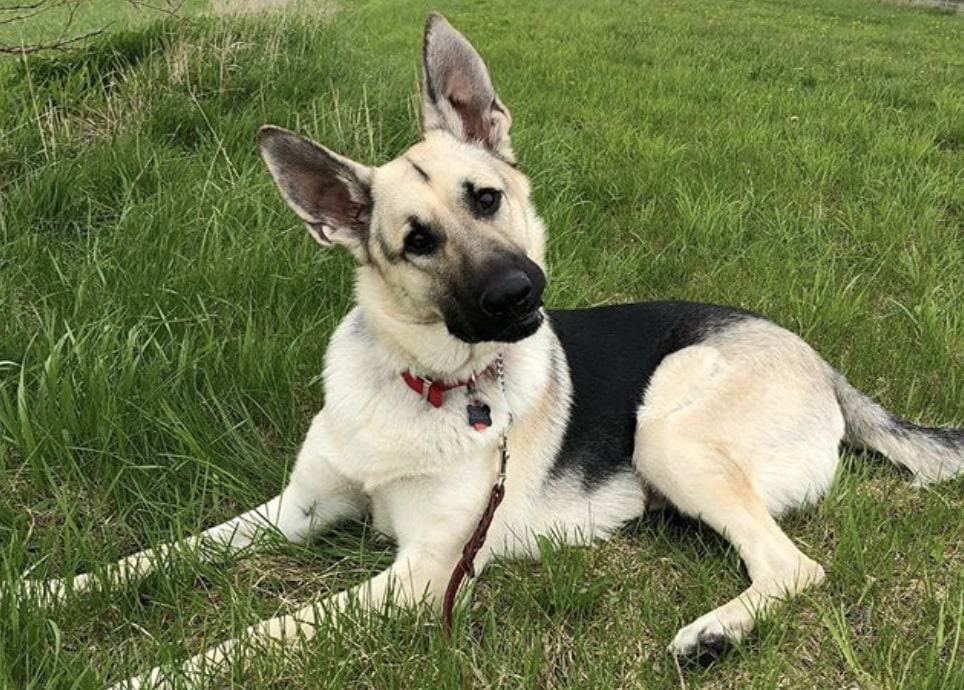
Scarcely any breeds can contrast and the sheer insight of the German Shepherd. With undying faithfulness and an excitement to learn, GSDs have gotten one of the world’s most prevalent pooches – and second in America!
In any case, this breed is something beyond cerebrums. The German Shepherd’s attractive and stately appearance additionally adds to their enduring ubiquity. What’s more, coat hues have a tremendous influence.
Despite the fact that by and large darker, German Shepherds come in a significant number of shading variations, alongside someone of a kind mixes. Beneath we’ll investigate the absolute most staggering and strikingly wonderful GSD hues you can discover.
As of now, there are 11 authority standard shades of the German Shepherd, in any event as per the AKC. Be that as it may, in all actuality, there are a lot more shades of these pooches.
It’s simply that not these hues are considered “official” or even perceived by other significant pet hotel clubs. Therefore, these other shaded German Shepherds are exceptionally uncommon, as fewer reproducers breed for them.
These standard AKC hues for the German Shepherd include:
Bi-Color
Dark
Dark and Cream
Dark and Red
Dark and Silver
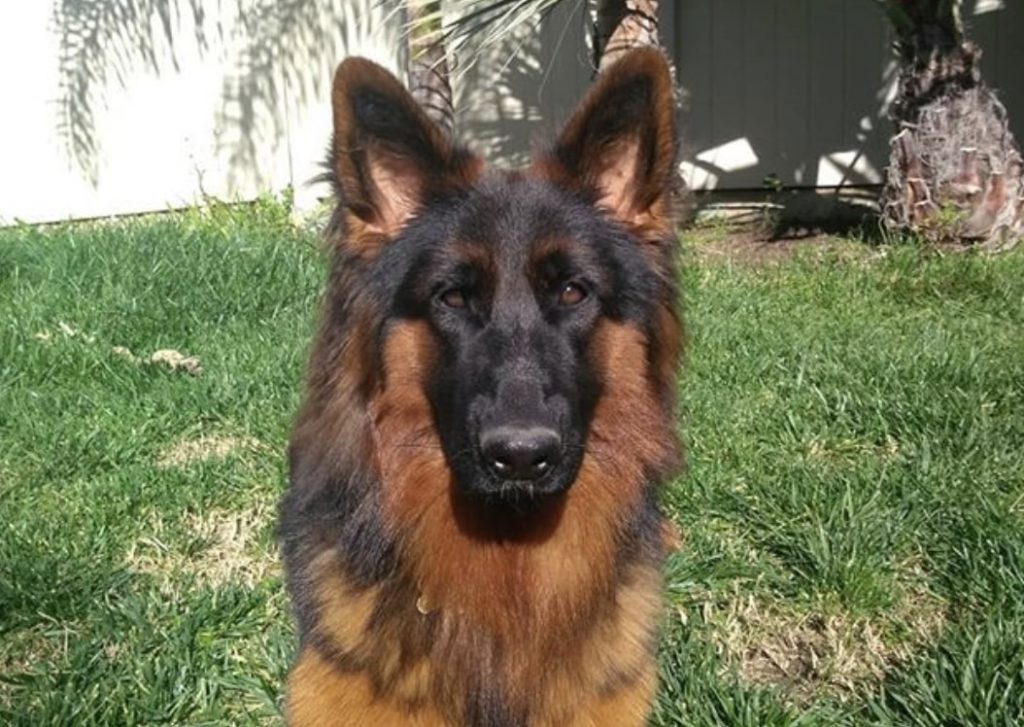
Dark and Tan
Blue
Dim
Liver
Sable
White
In spite of the fact that every one of these hues is standard for this canine breed, not every one of them is broadly reared. Raisers keep away from hues, for example, liver, white and blue, in spite of being standard hues.
Along these lines, on the off chance that you have your heart set on one of the ones I just referenced, at that point you may need to invest additional energy looking for a legitimate reproducer.
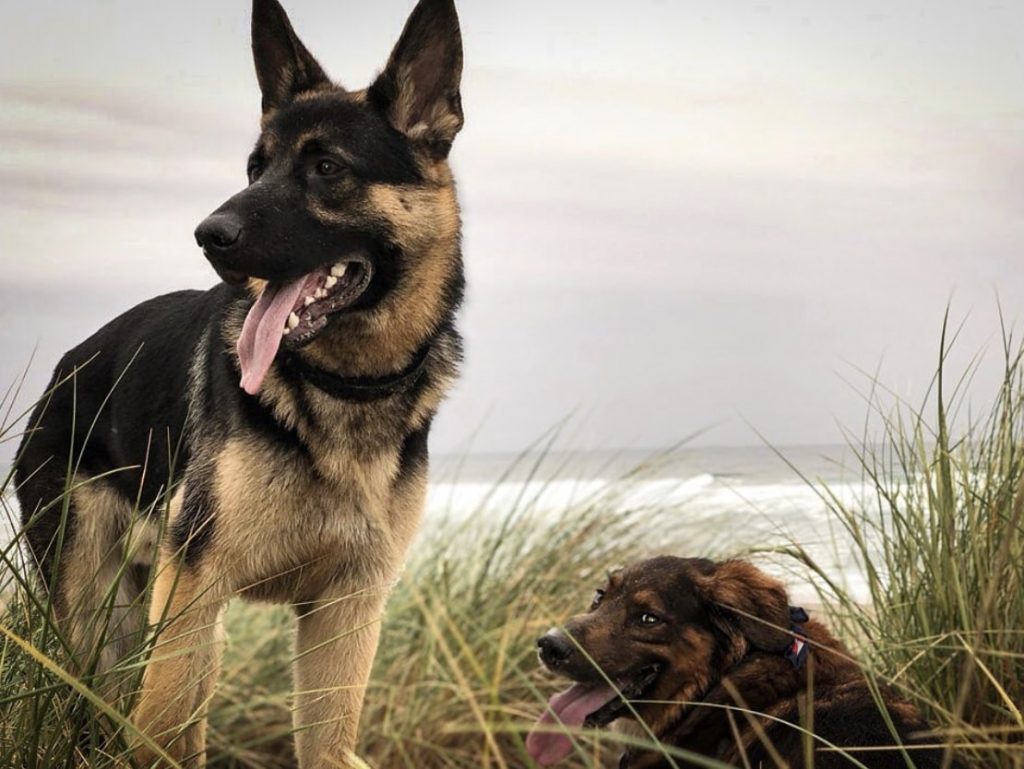
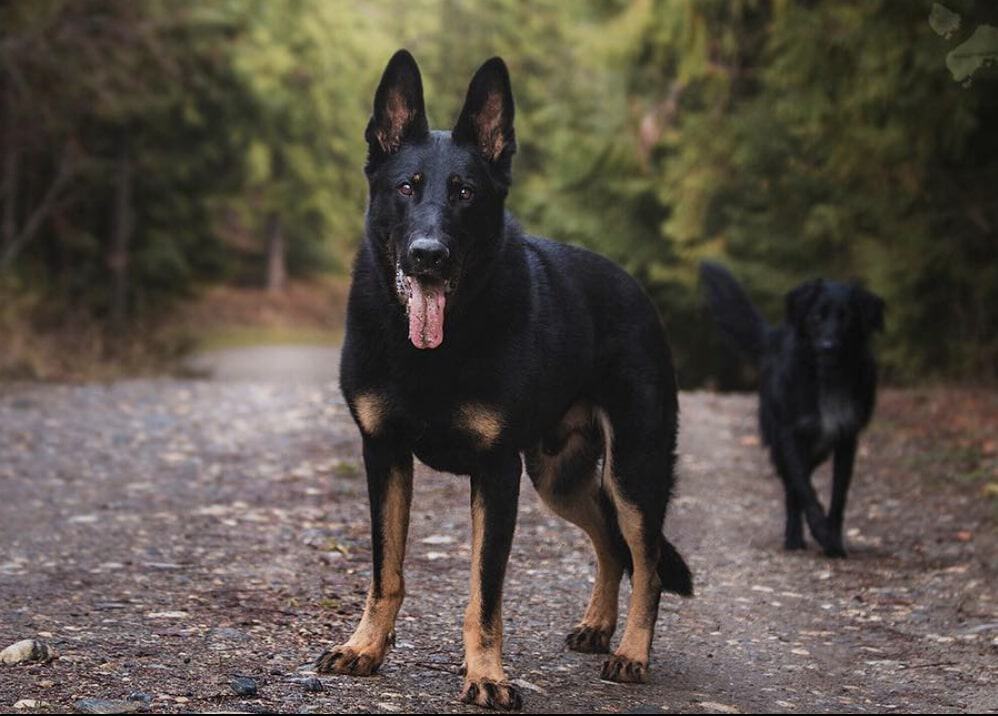
The dark and tan German Shepherd is the most prominent shade of this canine breed.
This shading blend is the bread and butter, in a manner of speaking, of the German Shepherd. For a great many people, when they picture this breed, it’s with this shading. Be that as it may, even with this normal shading, there is a lot of space for variety.
The tan hide can go from more profound tones to a shade that nearly approaches silver along the edges. The dark shading generally shows up as a seat like an example along the back and can differ a lot in size.
Something to remember is that GSDs brought into the world with this example as a rule start life darker and gradually help as they develop. The most ideal approach to get a thought of how a puppy’s jacket will create in adulthood is to meet the guardians (preferably with both).
Darker, particularly dark, shading is passive in the German Shepherd. So on the off chance that both the guardians show the dark and tan shading, at that point the little guy is bound to also.
Sable German Shepherd
The Sable shading German Shepherd might be the second most mainstream coat variety of this breed.
The most well-known shading in the German Shepherd breed is the sand shading. In actuality, this opens the entryway for many shading blends.
While different shades of this breed are to a great extent characterized by single hues, or bicolor proportions, sable mutts are increasingly homogenous. That is, the shading is all the more even all through without particular territories of some shading.
Inside this shading, the conceals can extend from lighter grays to darker hues, for example, increasingly dim or shades moving toward red and darker.
If you somehow happened to take a gander at any single hair of a German Shepherd with this shading, you may see that their hair can have a few hues on each strand. It’s a fascinating sight, yet you’ll need to investigate.
The sable German Shepherd is taken into consideration shows, however, it doesn’t do well quite well. In that capacity, they are substantially more prominent in the work line or as pets. They are particularly famous in the K-9 units of police power.
Bicolor German Shepherd
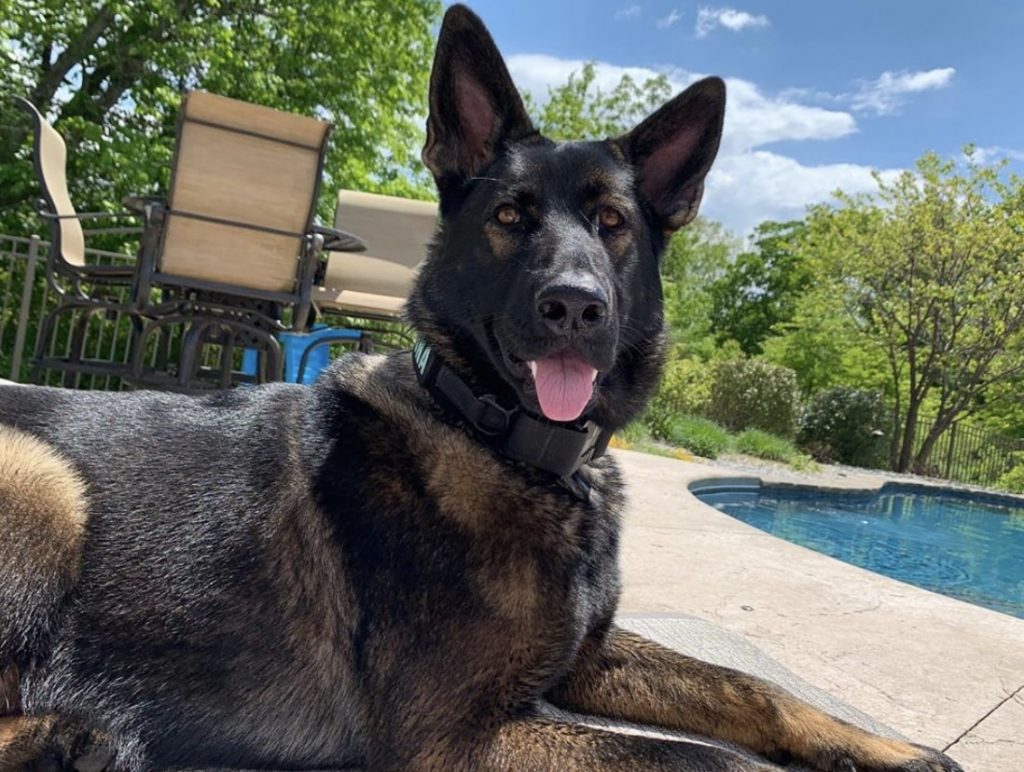
The Bicolor German Shepherd is for the most part dark with not many features of tan.
From the outset, this may appear to be a variety of dark and tan. What’s more, there is some discussion about whether bicolor German Shepherds are essentially showing an example or a particular shading without anyone else.
A bicolor German Shepherd will have dark and tan hues, yet the dark with be significantly more prevailing here. Nearly the whole body will be dark, with just a couple of regions, for example, the legs or chest showing hide those extents from tan to darker.
During childbirth, a two-tone German Shepherd can be difficult to recognize from its strong dark kin. A marker of whether the doggie will grow up to be a bicolor pooch is on the off chance that it has some dark-colored shading under the tail.
Dark German Shepherd
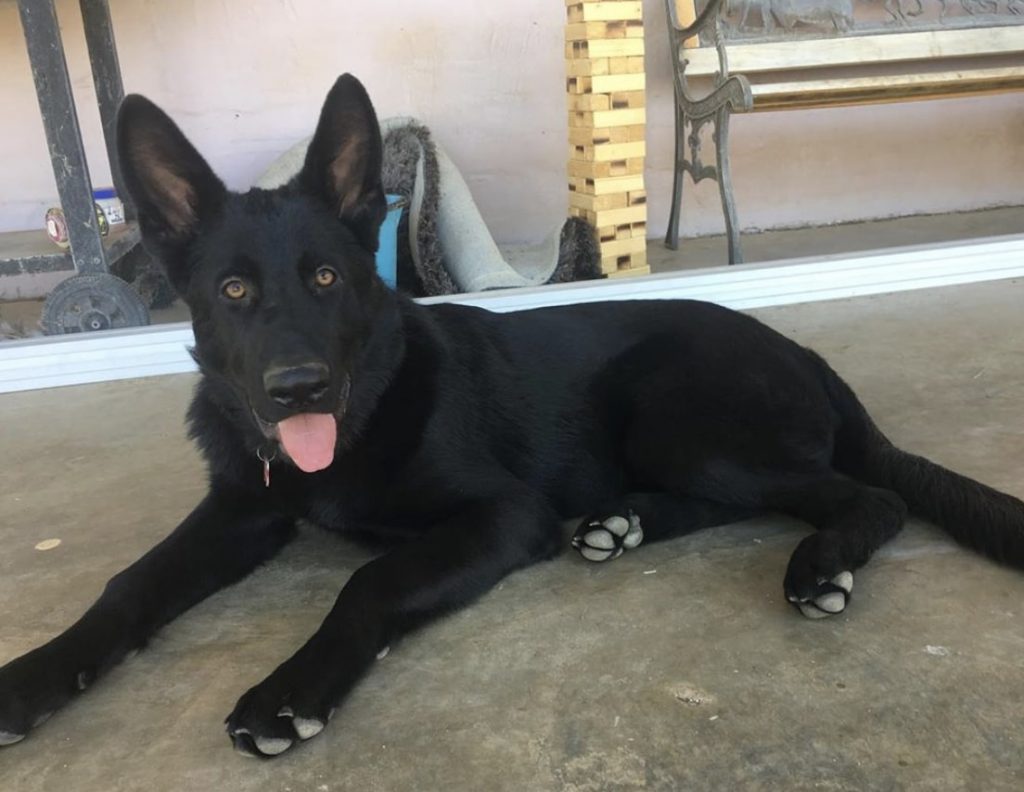
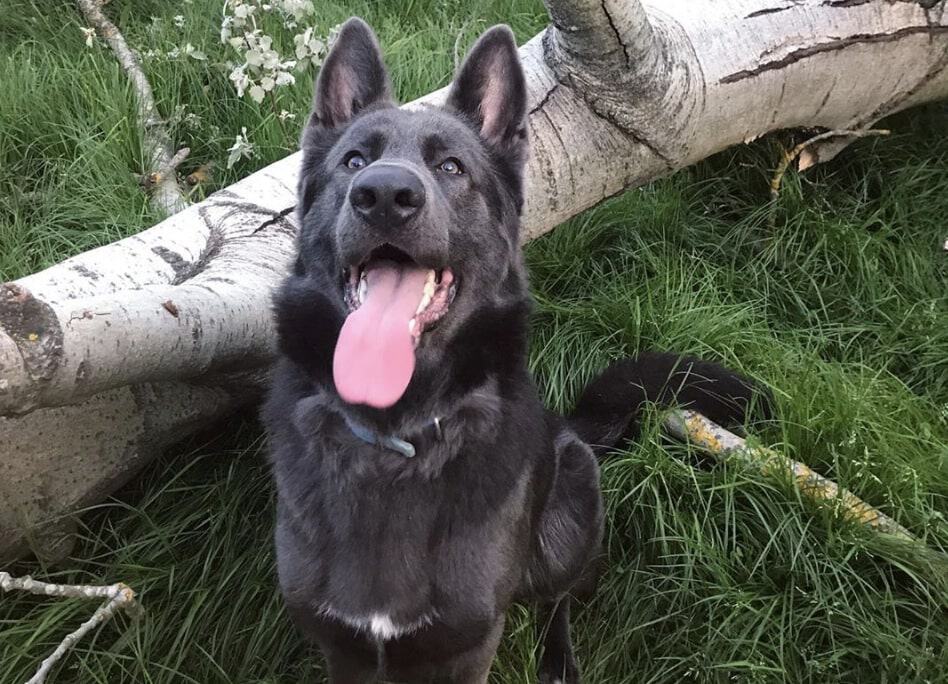
As you may have speculated, the dark german shepherd is completely dark-hued without any markings.
The quality for dark hide is latent in German Shepherds, so a totally dark canine can be fairly harder to discover. Yet, not all “dark German Shepherds” are totally dark from head to toe.
Dark GSDs may really have a touch of darker hide on their toes or feet, and even a few traces of white on their chest. It’s only an extremely modest quantity, however.
For whatever length of time that the remainder of the German Shepherd’s jacket is dark, they are as yet viewed as in this shading class.
While less basic than different hues, a dark German Shepherd is in no way, shape or form uncommon. Try not to give raisers a chance to climb up the value dependent on the possibility that these pooches are uncommon or unique.
And keeping in mind that, truly, they are completely wonderful and worth bringing home, simply be certain the cost is reasonable and do some statistical surveying previously.
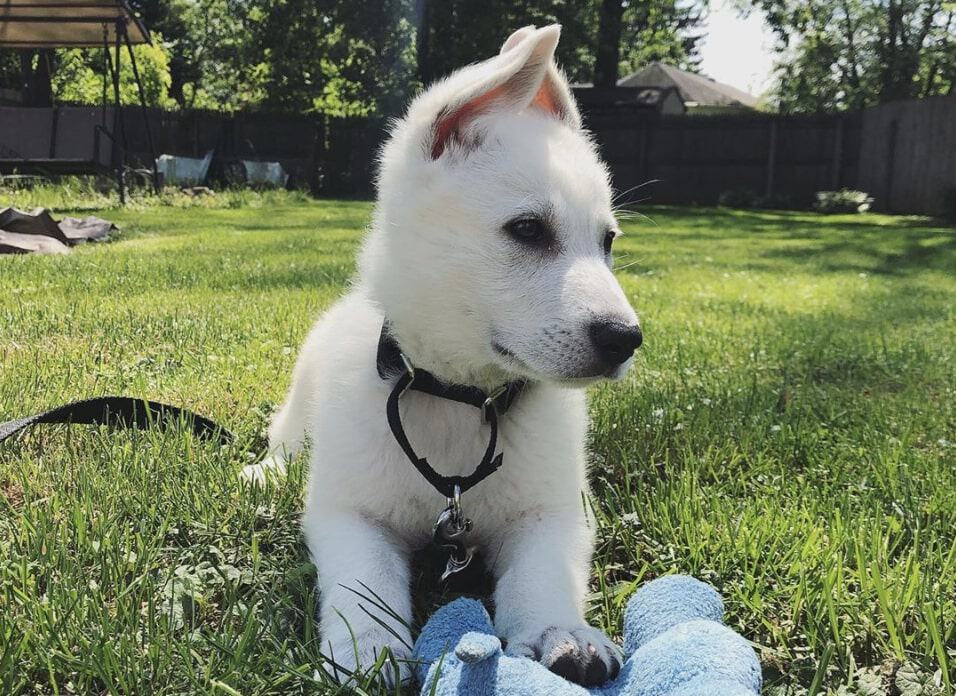
The white German Shepherd is unadulterated white with no additional shading markings on the coat.
In spite of the fact that the white shading precludes the canine as indicated by the German Shepherd breed standard of the American Kennel Club, despite everything we’ve included it since, well, see this pooch.
White German Shepherds are absolutely perfection. The white shading truly gives the pooch a wolf-like look and loans it a demeanor of riddle.
In the event that you are searching for a German Shepherd to have as a buddy, at that point white shading isn’t an issue. A lot of individuals, The Smart Canine notwithstanding, consider this to be as one of the more alluring for a German Shepherd.
Also, regardless, the AKC allows them to be enlisted, however basically not as a show hound. For most proprietors, this is fine since who truly has the opportunity to show their canines?
Liver (Brown) German Shepherd
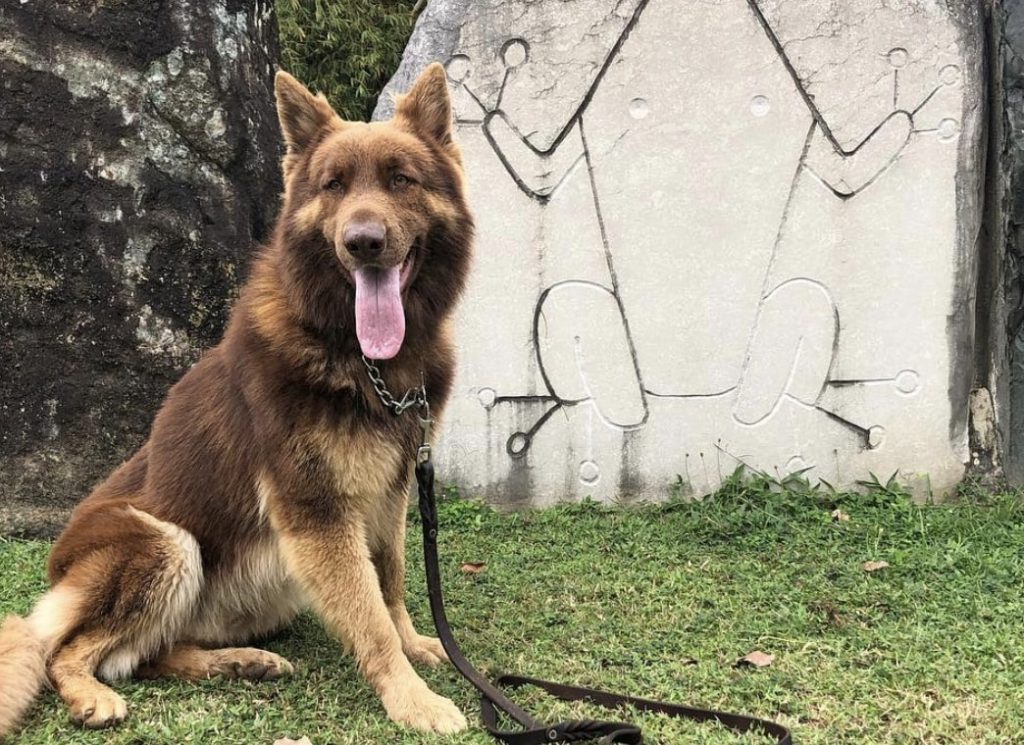
The Liver shading German Shepherd resembles a mix of red hues.
An exceptional part of this liver/dark colored shading is that the quality for liver hide will in general additionally show up alongside a quality answerable for delightful golden eyes.
Science and advancement did well here by matching these two qualities.
Liver-shaded German Shepherds can extend from lighter tans to darker and hotter hues, once in a while in any event, verging on red. The coat can likewise have traces of different hues in it, easily mixing in with the dark-colored, to a great extent.
There are three principal varieties of liver shading: liver and tan, liver and white, and a strong liver. Each of the three of these is perceived by the American Kennel Club.
Blue German Shepherd
In spite of the fact that uncommon, the blue shading German Shepherd is an exceptional shading for this breed.
In opposition to what a few people say, blue shading in a German Shepherd isn’t a sign of flaw or unexpected weakness (dissimilar to blue French Bulldogs).
The thinking for this off base conviction could be ascribed to the way that for some different breeds, blue shading may demonstrate disposition or medical issues.
For instance, some blue canines may encounter hormone or skin issues. We call this condition, Color Dilution Alopecia.
Anyway, with the German Shepherd, this is certainly not the situation. Luckily, it’s basically another variety of shading as opposed to a marker of hereditary issues.
A lot of reproducers deliberately breed for this shading in view of its irregularity. Originating from a passive quality, blue hue doesn’t happen frequently without explicitly being reproduced for it.
While you probably won’t have too hard a period finding a blue German Shepherd these days, be set up to dive further in your pockets. Their shortage can push up the cost and will differ from raiser to reproducer.
Red and Black German Shepherd
The red and dark German Shepherd is remarkable for its profound mahogany shading.
The red and dark German Shepherd is something you don’t see each day. They’re staggering examples that are certainly excellent regardless of what your preference for hounds.
As it were, the coat example of the red and dark German Shepherd looks practically like a mottle or merle. At the end of the day, you’ll typically get a GSD with dim mahogany (red) base coat, with patches of dark around the coat.
The dark shading is most generally found on the canine’s back, tail, base, and face (gag).
The dark isn’t constrained to those regions of the body – it relies upon the canine and the guardians. Nonetheless, dark shading around the canine’s gag is quite often ensured.
Dark and Silver German Shepherd
The dark and silver GSD is by a wide margin the most shocking and strikingly wonderful shading.
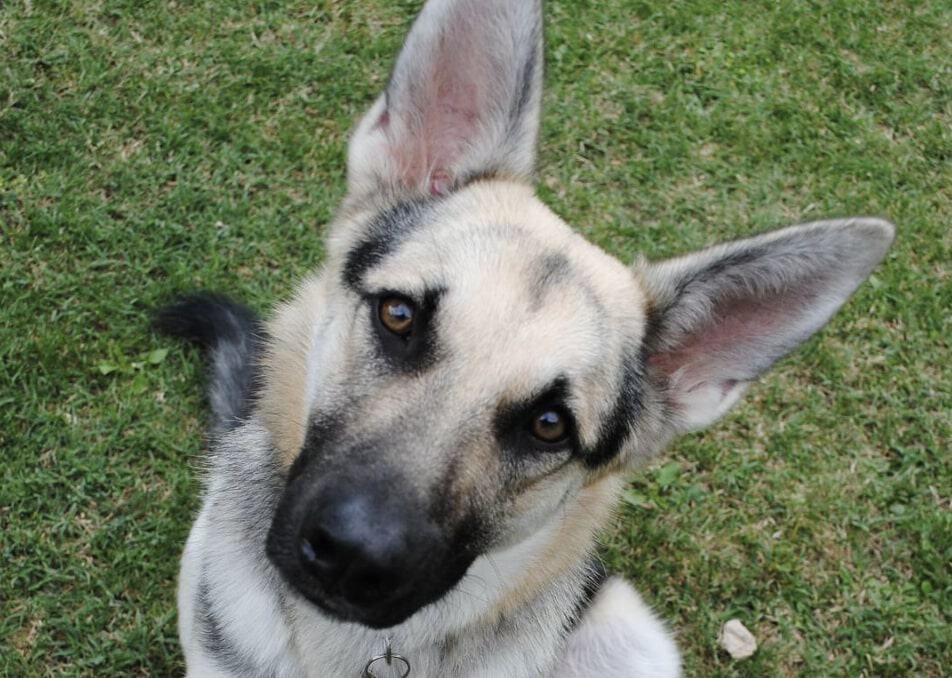
The dark and silver German Shepherd is another regular shading mix. Despite the fact that they look more colorful than your normal GSD, raisers still breed them, as they’ve been developing in ubiquity.
More often than not, shading dissemination may shift from canine to hound. Notwithstanding, they will regularly have a silver base on the base of their body and dark on the top half on their bodies.
The shade of dark can run from a dim to a profound dark. In certain occurrences, the German Shepherd may have silver with different shades of dark on the coat.
These pooches are genuinely awesome as far as appearance, and it’s not hard to perceive any reason why they’ve been increasingly common among families in the United States
(what’s more, presumably the world).
Dark and Cream German Shepherd
The dark and cream German Shepherd has a grayish shading base.
Another wonderful standard shade of the GSD, the dark and cream German Shepherd is another famous decision among proprietors around the globe.
They’re fundamentally the same as in appearance to the dark and silver, yet with an alternate shade of “white.” But in the event that you look close enough, they’re very unique.
Rather than the metallic-like silver shading, the dark and cream has a grayish cream shading. This cream shading can fluctuate from canine to hound, yet ordinarily has a trace of yellow to it.
Like the dark and silver, this shaded German Shepherd will have a base that is basically cream and a top that is fundamentally dark.
Once more, the dark can come in various tones and it’s normal to see various shades of dark on this pooch.
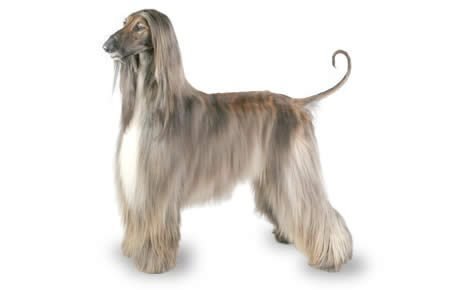
Noble and standoffish, the Afghan is a privileged person among hounds. It is an incredible tracker, however for the most part refreshing for its staggering appearance and as a show hound. We have also bring a list of beautiful chinese dog breeds.
PHYSICAL CHARACTERISTICS
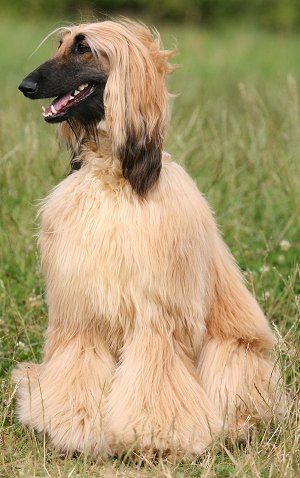
Secured with thick, smooth hair, which comes in different hues, the Afghan Hound, truth be told, looks like a greyhound in the manufacture and is known for its capacity to pursue armada game and twofold suspension dash. Its high pelvis and a short back, in the meantime, enable the breed to turn effectively and bounce extraordinary statures, both must-have attributes for a canine that initially pursued game on rough territory. The Afghan Hound’s huge feet likewise offer it assurance from wounds brought about from running on the unpleasant ground, while the luxurious coat is successful in beating the cold.
Moving with the tail and head held high, its appearance is pleased and stately and its walk is fun and flexible.
CHARACTER AND TEMPERAMENT
Albeit a marginally saved and once-in-a-while meek breed, the Afghan Hound wants to chase and pursue. Notwithstanding, an Afghan Hound can live a glad life inside. The breed isn’t unpleasant with kids (who love its clownish and glad personality), however, the canine may get cranky now and again and act seriously. Some may even say the Afghan Hound nearly takes after a feline in its free nature.
This ideal house canine requires cautious brushing and brushing of its jacket. Uncommon care ought to be given when the canine sheds its little dog coat. The Afghan Hound additionally requires everyday exercise, for example, a long walk or a short run. Indeed, this dog wants to run at a quick pace in little territories. Afghan Hound darlings should make it a point to give the pooch outside get to and a decent, delicate bed.
HEALTH
The Afghan Hound, which has a normal life expectancy of 12 to 14 years, isn’t powerless to any significant wellbeing concerns. It ought to be noticed that the breed can experience the ill effects of tail wounds and responds to barbiturate anesthesia. Wellbeing infirmities like canine hip dysplasia (CHD), waterfall and necrotic myelopathy are likewise infrequently found in the breed. To distinguish a portion of these issues, a veterinarian may run hip and eye tests on the pooch.
HISTORY AND BACKGROUND
The Afghan Hound is an antiquated breed. It had a place with the Middle Eastern sighthounds, and its predecessors go back to the hour of the Egyptian pharaohs. At first, the breed was utilized a coursing dog by migrant clans to chase for meat and bunny, with the assistance of hawks, who swooped down at the prey. Steadily, after a few ages on the rugged terrains of Afghanistan, the Afghan Hound formed into a deft, quick pooch with incredible stamina and jumping capacity.
For a considerable length of time, the breed was confined in the Afghan Mountains and was first brought to England during the primary portion of the twentieth century. These canines were initially alluded to as Barukhzy Hounds or Persian Greyhounds. Differing in nature, it was the Zardin assortment that in the end turned into the most supported.
The breed immediately turned into the prize of the exciting world, and before long got mainstream in different circles, for example, hound appears. The Afghan Hound arrives at the pinnacle of its fame during the 1970s, yet at the same time understood all through the world.




 Canine family blog